Bangladesh arrests union leaders as wage board stalls
Bangladesh arrested two GBGWF union leaders amid wage protests. AAFA and FLA demand release as the Minimum Wage Board postpones its 16 November meeting.
- Cut
- November 19, 2026
- Sew
- 3 min
Construction
Union leaders Sultana Begum and MD Elias of GBGWF, representing 65,000+ garment workers, were arrested this week.
Workers demand a minimum wage rise from BDT13,000 ($105) to BDT32,000 ($250) per month.
Employers are considering a counter-proposal of BDT14,000, per The Times of Bangladesh.
The Minimum Wage Board meeting set for 16 November in Dhaka was postponed with little explanation.
AAFA and FLA jointly called for the leaders' release and condemned violence against workers and union officials.
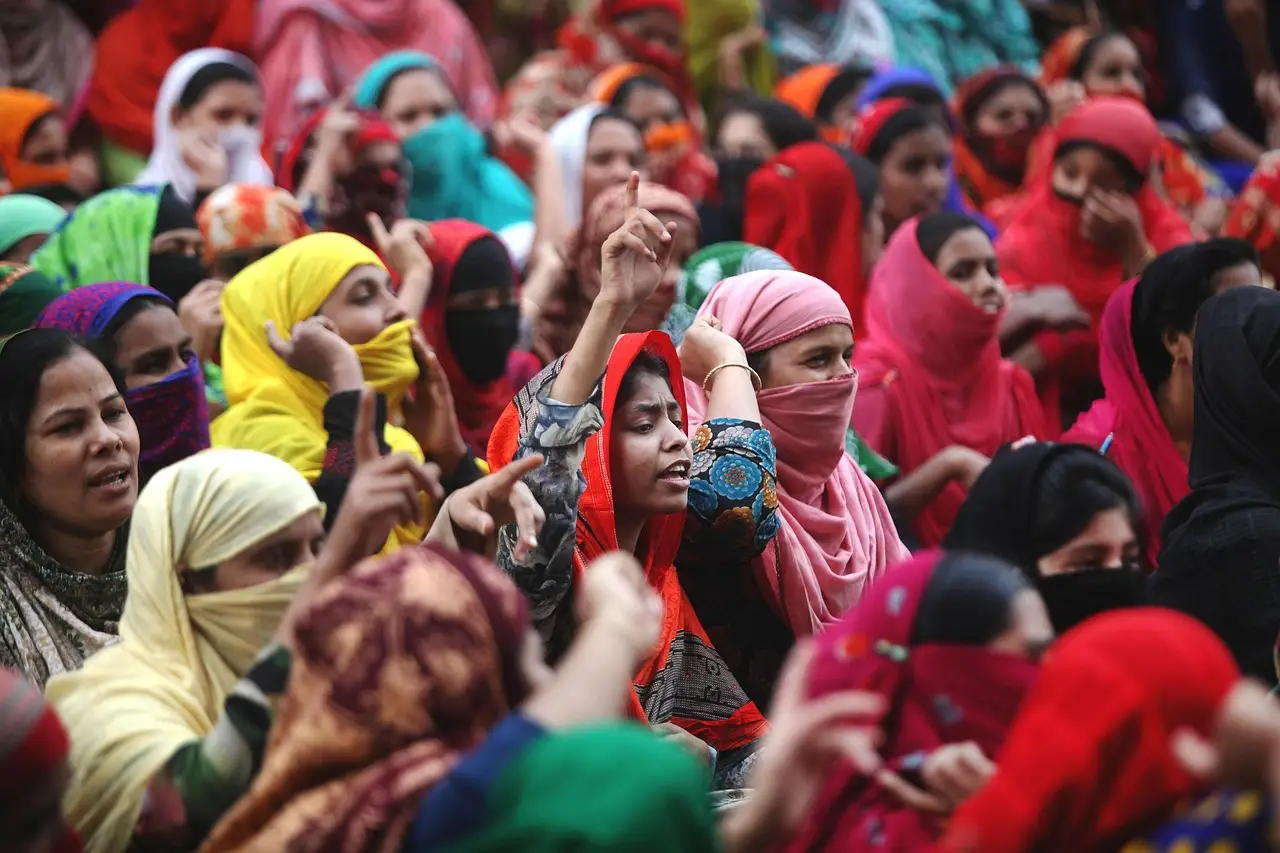
Police in Bangladesh arrested two trade union leaders this week after they took part in an online webinar supporting garment workers' demand for a higher minimum wage, local reports say. The American Apparel & Footwear Association (AAFA) and the Fair Labor Association (FLA) have both demanded their immediate release.
Sultana Begum, president of the Green Bangla Garments Workers Federation (GBGWF), and MD Elias, the federation's general secretary, were detained days into a nationwide protest wave over pay. The GBGWF is a woman-led federation representing more than 65,000 garment workers in Bangladesh, making it one of the larger worker organisations in the country's dominant export sector.
In a shared statement, the two industry bodies tied the arrests directly to sourcing risk. "We have urged an expedient and peaceful negotiation of a fair minimum wage. The arrest and detention of these union officials severely disrupt that process and damage the reputation of Bangladesh as a responsible sourcing partner," AAFA and FLA said.
What do the arrests mean for the wage talks?
Garment workers have protested since late October over the national minimum wage. Unions want the rate raised from BDT13,000 ($105) per month to BDT32,000 ($250) — a 146% increase that reflects what workers say is the minimum needed to cover living costs.
The government responded by forming a new Minimum Wage Board, which was scheduled to meet in Dhaka on 16 November for further discussion. Local reports now indicate the meeting was postponed, with little explanation given to the parties involved.
The Times of Bangladesh reports that employers are considering a counter-proposal of BDT14,000 per month. That figure sits at less than half of the BDT32,000 demanded by union leaders and would raise the current floor by just BDT1,000.
How are buyer groups and NGOs responding?
The AAFA and FLA statement went beyond the arrests to press the government on worker rights during the review. "As the government of Bangladesh considers changes to the minimum wage, we urge the government to respect the right of workers and trade unions to freedom of association and their calls for a fair wage that allows garment workers to support themselves and their families," the groups said.
They also drew a line on conduct during the talks: "We unequivocally condemn violence, threats, and intimidation against workers and union officials. We urge the government and all parties to publicly join us in this condemnation, both during the minimum wage review and after."
The Clean Clothes Campaign has shifted pressure onto buyers themselves. The NGO has called on international fashion brands sourcing from Bangladesh to publicly back the BDT32,000 demand and to commit to covering the higher wage costs through their future purchasing prices.
What decision does this force on sourcing teams?
The gap between the two wage figures — BDT14,000 versus BDT32,000 — frames the commercial stakes. Any settlement near the union demand would raise factory labour costs materially, and the Clean Clothes Campaign wants brands, not suppliers, to absorb that through higher FOB prices.
For sourcing and compliance teams, the immediate tasks are concrete:
- Assess whether arrested union officials affect factories in the Bangladesh supply base, starting with tier-one cut-and-sew suppliers.
- Track the postponed Minimum Wage Board talks, since the final BDT figure will reset cost models across the sourcing base.
- Decide whether to answer the Clean Clothes Campaign's call for public support of the BDT32,000 wage and a pricing commitment, a decision that carries both reputational and margin consequences.
- Watch for further unrest, as protests have run since late October and buyer groups have already flagged intimidation risks.
Buyers that stay silent on the arrests now face questions from the AAFA and FLA stance, which explicitly links freedom of association to Bangladesh's standing as a sourcing partner.
via tbsnews.net (Original)
More from Grace Kim
Show full bio
Correspondent covering regulation, policy and their impact on Light industry and softgoods manufacturing at Softgoods Report.
392 articles