Apparel Manufacturing & SourcingTKT-82D5
Bangladesh Police Arrest Two Garment Union Leaders as Pay Strikes Hit Production
Police detained Green Bangla Garments Workers Federation president Sultana Begum and general secretary Mohammad Ilias, accusing them of inciting unrest in Savar and Ashulia.
- Cut
- November 18, 2026
- Sew
- 2 min
- Ticket
- TKT-82D5
Construction
Bangladeshi police arrested two garment union leaders late yesterday as pay strikes disrupted production nationwide
Detainees are Sultana Begum, president, and Mohammad Ilias, general secretary of the Green Bangla Garments Workers Federation
Police accuse the pair of inciting unrest in the Savar and Ashulia industrial districts
Both spoke at an August rally calling for a review of the garment sector's minimum wage
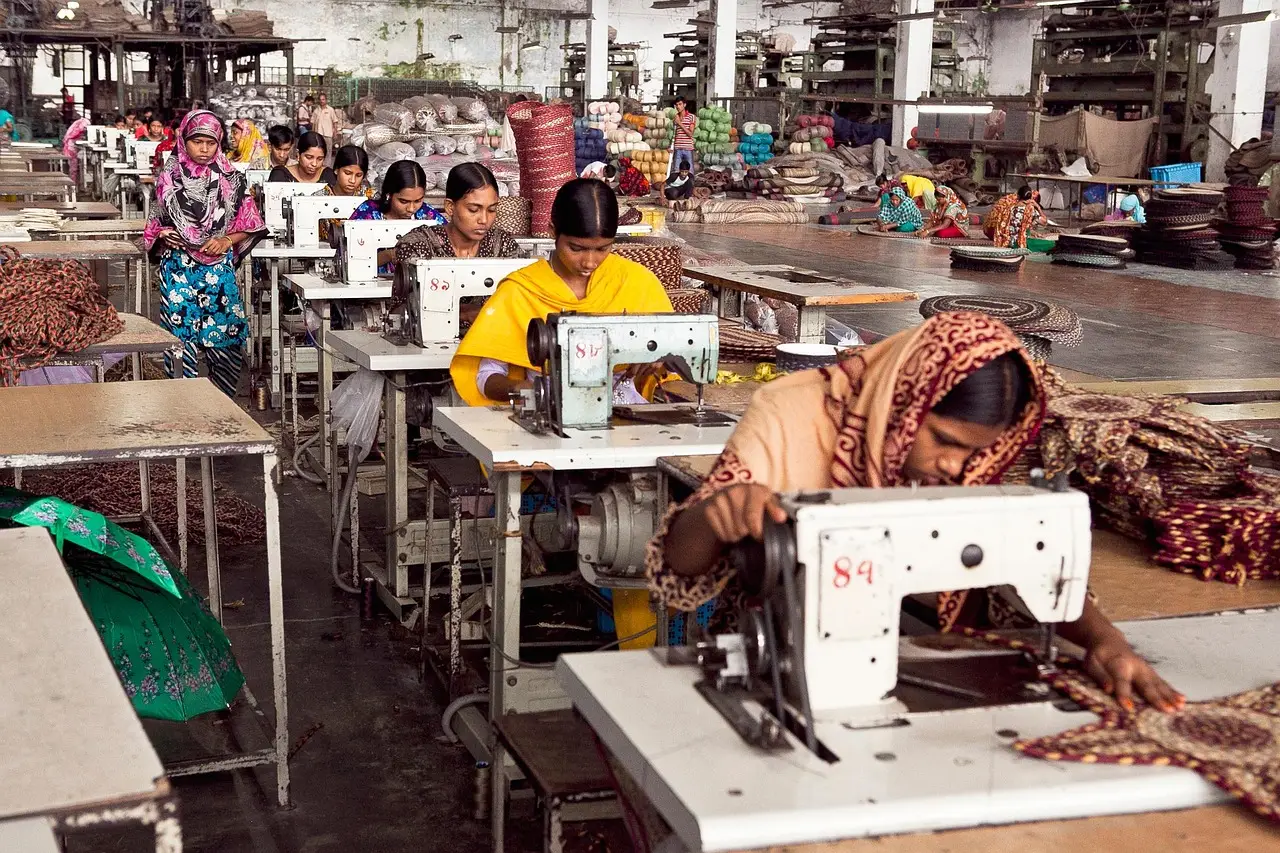
Bangladeshi police arrested two senior leaders of the same garment workers' federation late yesterday, as strikes over pay disrupted production across the country's ready-made garment sector.
The detainees are Sultana Begum, president of the Green Bangla Garments Workers Federation, and Mohammad Ilias, its general secretary. Officers accused the pair of inciting unrest in the industrial districts of Savar and Ashulia, according to police.
Both unionists spoke at a rally in August calling for a review of the sector's minimum wage. Their arrests came as stoppages over pay continued to disrupt output across Bangladesh's factory belts.
Who has been detained, and on what grounds?
Police picked up Begum and Ilias late yesterday and accused them of inciting unrest. The alleged offences centre on the Savar and Ashulia districts, the industrial zones outside Dhaka where much of the country's garment capacity sits and where the recent strike activity has concentrated.
The two hold the top two posts at the Green Bangla Garments Workers Federation. Their public role in the wage campaign is not in dispute: both addressed an August rally that called for a review of the sector's minimum wage.
The arrests signal that the dispute has moved from the factory floor into the criminal justice system, with union leadership now directly exposed to legal action.
What does this mean for the wage dispute?
The detentions land in the middle of an active labour conflict. Strikes over pay have disrupted production across Bangladesh, the world's major garment sourcing hub, and the walkouts have now drawn a police response aimed at the organisers rather than only the strikers.
Begum and Ilias had put their names to a specific demand: a review of the minimum wage for garment workers. Their August rally appearances are the stated public record of that campaign, and those speeches now form part of the backdrop to the criminal accusations.
For buyers with Bangladeshi suppliers in and around Savar and Ashulia, the combination of stoppages and arrests points to continued production risk in the affected districts.
What should sourcing and compliance teams watch next?
The immediate operational question is whether the strike-related disruption spreads or subsides following the arrests. Production has already been hit across the sector, and the removal of two federation leaders from the field could either cool the stoppages or sharpen them.
The compliance question runs deeper. Arrests of named union leaders in a top sourcing country test buyer commitments on freedom of association, and sourcing teams tracking labour conditions in Bangladesh will need to monitor how the cases against Begum and Ilias proceed.
The sourcing decision this news forces is straightforward: assess exposure to factories in Savar and Ashulia, factor continued pay-strike disruption into delivery timelines, and review supplier labour-relations due diligence while the legal process against the two unionists plays out.
via asia.floorwage.org (Original)
More from Olivia Hart
Show full bio
Senior reporter covering regulation, policy and their impact on Light industry and softgoods manufacturing at Softgoods Report.
336 articles