Apparel Manufacturing & SourcingTKT-8E6D
Bangladesh Home Minister blames factory owners, ex-officials for RMG unrest
Home Minister Salahuddin Ahmed accused RMG factory owners linked to the banned Awami League, a former MP and ex-state minister of fusing unrest, as workers demand a Tk 30,000 minimum wage.
- Cut
- November 2, 2026
- Sew
- 4 min
- Ticket
- TKT-8E6D
Construction
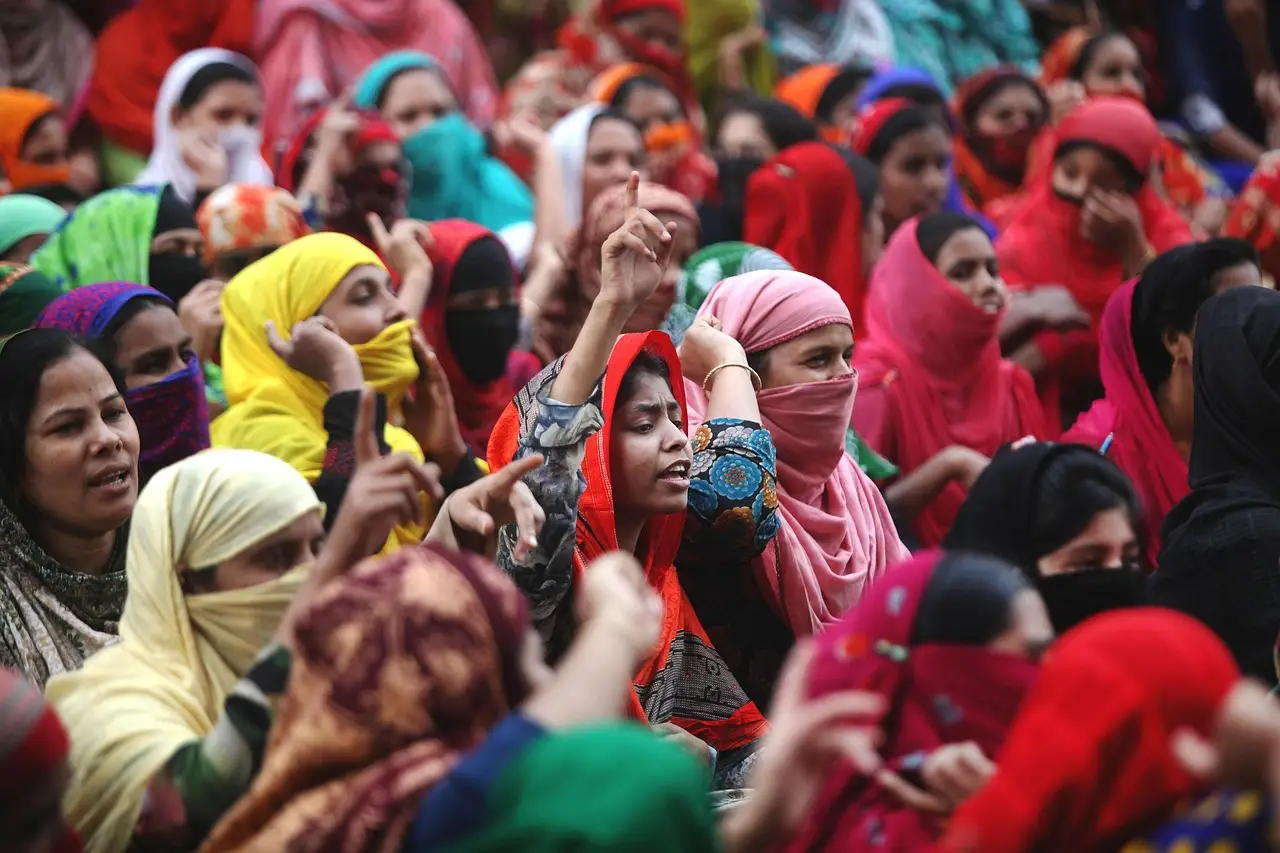
Workers are demanding a minimum wage of Tk 30,000; the newly formed wage board's first meeting could be held the same day.
Home Minister Salahuddin Ahmed accused factory owners tied to the banned Awami League, a former MP and a former state minister of instigating the unrest.
BGMEA and BKMEA leaders were asked to submit lists of industrialists who deliberately closed factories and of worker leaders allegedly creating unrest.
A 24-hour surveillance regime and a police-headquarters control room using security apps will monitor the garment industry.
A government meeting with labour union representatives was scheduled for around 3 PM the same day.
Bangladesh's Home Minister Salahuddin Ahmed has accused garment factory owners linked to the banned Awami League, along with a former MP and a former state minister, of driving the Ready-Made Garment (RMG) worker protests that have disrupted production for days. His statement, made Monday morning after a meeting with BGMEA and BKMEA leaders at the Secretariat in Dhaka, pushes the crisis into the compliance and sourcing-risk column for brands buying from Bangladesh.
What did the minister say?
Ahmed told the press conference: "Garment industry owners who are involved in the Awami League's politics have also been working behind creating unrest. It is unfortunate that some industrialists are involved in this. Former MPs and state ministers are also involved."
The Awami League's activities have been banned in Bangladesh following the fall of the previous government. The minister said those blocking roads and highways and setting fires had been identified, and that audio, video and visual clips of violent incidents had been collected as evidence.
What is the workers' demand?
Garment workers have been protesting for several days demanding a minimum wage of Tk 30,000 (about $245). The minister addressed the wage question directly: the government has already formed a wage board, its first meeting could be held the same day, and the minimum wage would be determined and announced "as soon as possible" after discussion.
He also laid out the board's formation timeline. The government initiated the process of setting up a Minimum Wage Board — which under the stated demand structure would convene every three years — weeks ago. Owners named their representative quickly. Worker organisations submitted theirs only the night before the announcement. The board was then constituted by official notification with nominees from both sides.
What enforcement measures are in place?
The minister set out a concrete monitoring apparatus rather than a general promise of order:
- 24-hour surveillance of the garment industry situation.
- A control room at police headquarters, monitoring conditions through security apps.
- Designated liaison persons appointed by the Ministry of Home Affairs and the Police Department, with matching contact points named by the owners' organisations.
- A demand that BGMEA and BKMEA hand over a list of industrialists who deliberately closed factories, plus a list of worker leaders and organisations allegedly involved in creating unrest.
Ahmed said a few individuals had already been brought under the law that day, backed by video footage and other collected evidence.
How is the government framing the protests?
The framing is sharp: the minister claimed no actual workers are involved in the unrest. He alleged that "supporters of fallen tyrannical fascism" are using innocent workers as cover, and promised strict suppression of anyone engaging in anti-law-enforcement activity under the guise of a labour movement.
"We do not want any factory to close, not even for a moment," he said. He added that those conducting anti-labour activities disguised as labour movements, and those conspiring to destabilise the country, would face legal measures.
What happens next?
The government scheduled a meeting with labour union representatives for around 3 PM the same day to hear their views and suggestions, with future steps to follow from those discussions.
Asked about a possible return of former Prime Minister Sheikh Hasina in December, Ahmed said: "Fascist forces and fugitive leaders who want to return should do so quickly. Why should it take until December? We want to ensure justice by bringing them under the law swiftly."
Expatriate Welfare Minister Ariful Haque Chowdhury, Prime Minister's Advisor Mahadi Amin, labour leader and Member of Parliament Shimul Biswas attended the press conference.
What does this mean for sourcing desks?
Buyers with Bangladesh programmes now face two moving parts. First, the wage board timeline will reset the labour-cost baseline — the Tk 30,000 demand sits well above the current floor, and an announcement was promised "as soon as possible." Second, the government's claim that some suppliers deliberately closed factories, with a list to be compiled by BGMEA and BKMEA, flags potential operational risk at named facilities once that list exists. Compliance teams should track both the wage board notification and any enforcement action against factory owners before confirming order placements or shipment schedules.
via Google News: Garment factories (Source)
More from Grace Kim
Show full bio
Correspondent covering regulation, policy and their impact on Light industry and softgoods manufacturing at Softgoods Report.
345 articles