Textile Mills & FibersTKT-078A
UK–India Textile Machinery Coalition Targets Faster Trade, Technology Exchange
A new UK–India textile machinery coalition will accelerate trade and technology exchange, Textile Excellence reports, opening a channel for UK equipment suppliers into India's mill capex cycle.
- Cut
- October 1, 2026
- Sew
- 3 min
- Ticket
- TKT-078A
Construction
A UK–India textile machinery coalition has been formed to accelerate trade and technology exchange, Textile Excellence reports.
The initiative targets the machinery tier of the textile supply chain, linking UK equipment suppliers with Indian mills and technical-textile producers.
No membership lists, launch dates or programme commitments were specified in the announcement, leaving the coalition a framework initiative for now.
A new UK–India textile machinery coalition will work to accelerate trade and technology exchange between the two countries, Textile Excellence reports.
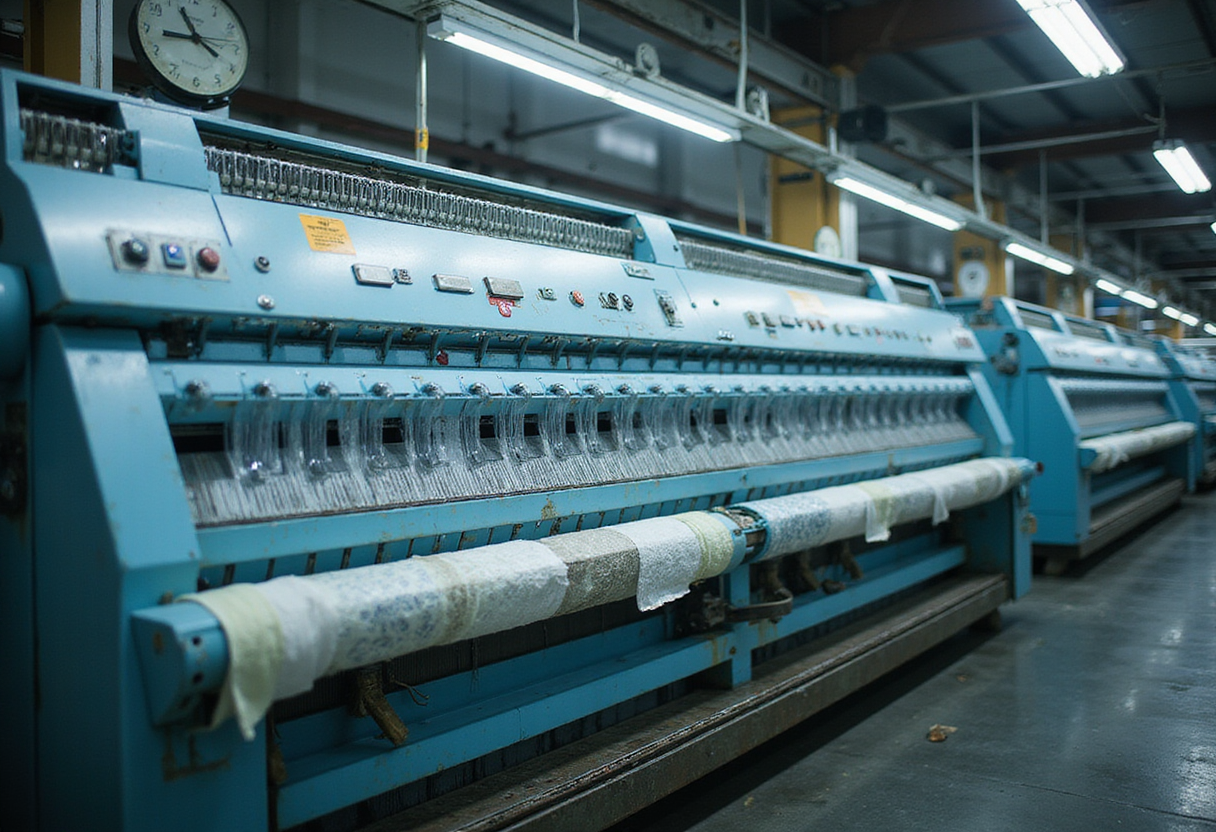
The formation of the grouping addresses a specific gap in the textile supply chain: the machinery tier. Indian spinning, weaving, knitting, finishing and garment-cutting operations depend heavily on imported capital equipment, and European suppliers — among them UK engineering firms — have long competed with machinery makers from Germany, Italy, Switzerland, Japan and China for subcontinent orders. A bilateral coalition creates a formal channel through which UK machinery manufacturers can engage Indian mills and technical-textile producers, and through which Indian textile groups can access UK process technology.
For sourcing executives, the significance is indirect but material. Machinery investment decisions upstream shape what fabric and garment suppliers downstream can offer: new spinning frames and looms change achievable fabric constructions, run speeds, defect rates and unit costs. Technology transfer along the UK–India axis therefore feeds into lead times, minimum order feasibility and price points that buying offices negotiate with Indian vendors.
The coalition's stated remit covers both trade and technology exchange. In practice, trade-focused machinery coalitions of this kind typically pursue market-access work — standards alignment, certification recognition, financing structures for capital goods purchases — alongside technology matchmaking between equipment suppliers and mill operators. Textile Excellence's report did not specify membership lists, launch dates or initial programme commitments, so buyers should treat the announcement as a framework initiative rather than a confirmed commercial programme until participating companies disclose details.
The timing aligns with a broader repositioning of India within global apparel sourcing. Brands diversifying away from China-dominated supply bases have raised Indian order volumes, and Indian mills have responded with capacity expansions that require new equipment. A UK coalition structure gives British machinery suppliers a coordinated entry point into that capex cycle, at a moment when Indian textile groups are actively upgrading.
For sustainability and compliance teams, machinery renewal is also a compliance variable. Modern dyeing and finishing equipment directly affects water, chemical and energy intensity per metre of fabric — parameters that fall under scrutiny in buyer codes of conduct and, for goods placed on the EU market, under instruments such as the Corporate Sustainability Reporting Directive and the Ecodesign requirements now extending into textiles. Equipment transfers that reduce resource intensity per unit can therefore support vendor compliance files, provided the claims trace to measurable machine specifications rather than supplier marketing.
What the news forces is a procurement-side question rather than an immediate sourcing shift. Buying organisations with Indian vendor bases should establish whether their key suppliers plan capital-equipment upgrades through UK channels, and whether the coalition's technology-exchange activities will touch the mills in their own approved-vendor lists. Compliance teams, meanwhile, should prepare to verify any resource-efficiency claims that ride on new machinery. Until the coalition publishes its membership and first programme calendar, the prudent stance is monitoring — with a review triggered the moment a named Indian mill announces UK equipment investment.
via Google News: Textile machinery and sewing automation (Source)
More from Priya Raman
Show full bio
News editor covering industry trends and analytics at Softgoods Report.
86 articles