Sustainability & ComplianceTKT-DAE8
Bangladesh to phase in mandatory sustainability reporting from 2028
Bangladesh's FRC plans six-to-seven-year phase-in of mandatory sustainability reporting, with emissions disclosures and selected sectors facing compliance from January 2028.
- Cut
- November 16, 2026
- Sew
- 3 min
- Ticket
- TKT-DAE8
Construction
Bangladesh's FRC plans a six-to-seven-year phase-in of mandatory sustainability reporting.
Selected sectors could face compliance from January 2028, officials told The Financial Express.
The top 50 companies listed in Dhaka by annual revenue would report first.
Emissions disclosures fall within the planned reporting scope.
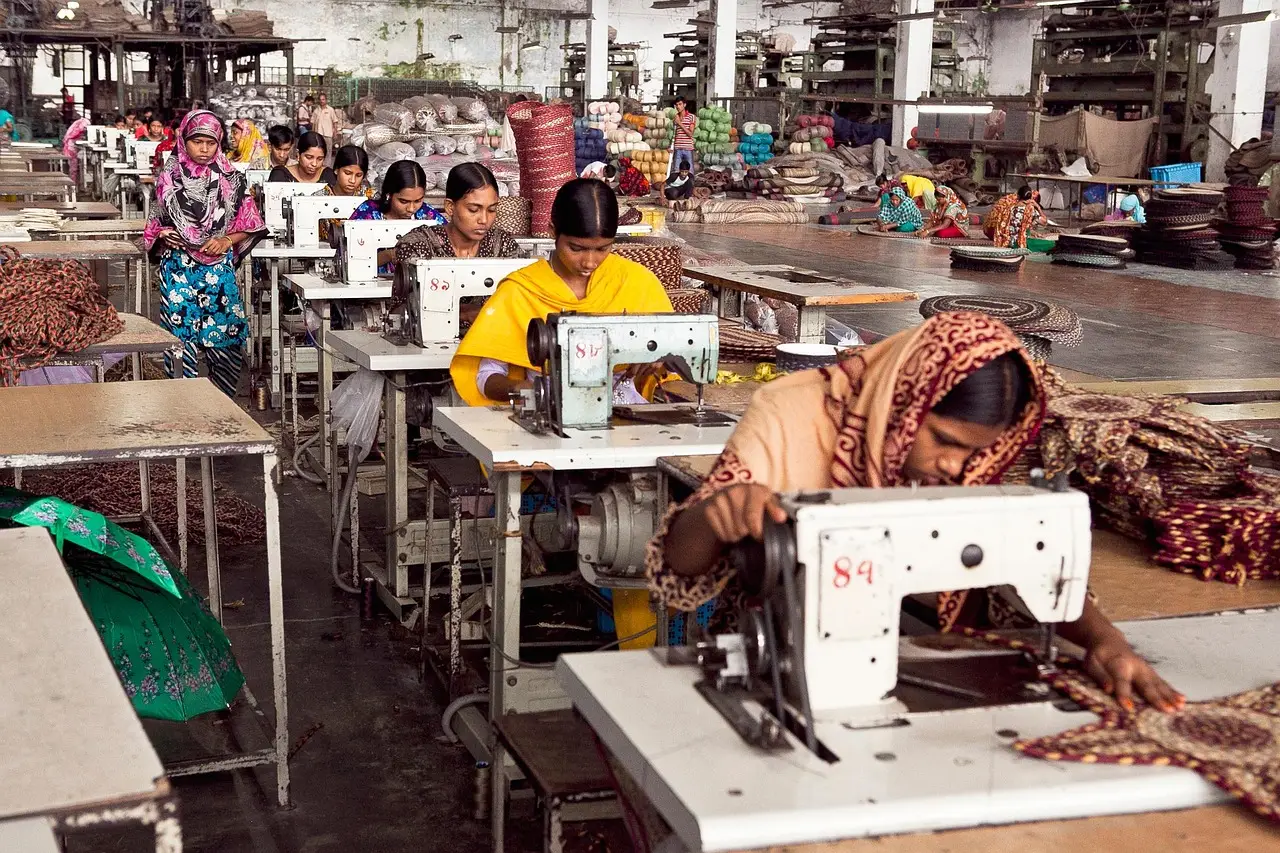
Garment businesses are among the sectors earmarked for training on the requirements.
Bangladesh's Financial Reporting Council (FRC) plans to phase in mandatory sustainability reporting, including emissions disclosures, over six to seven years, and selected sectors could face compliance from January 2028, officials told The Financial Express.
The top 50 companies listed in Dhaka, ranked by annual revenue, would report first under the plan. Garment businesses sit among the sectors earmarked for training on the new requirements — a signal that the country's largest export industry will need to build audit and data capacity before the deadlines bite.
For apparel buyers, the development matters because it moves sustainability disclosure in Bangladesh from a buyer-driven expectation to a domestic regulatory obligation. European and US brands already ask Bangladeshi suppliers for emissions data under their own programmes; a statutory reporting regime would give that data a common format and a legal backstop.
What does the timetable look like?
The plan, as reported by The Financial Express, sets out three concrete elements:
- A phase-in period of six to seven years for mandatory sustainability reporting.
- Emissions disclosures included within the scope of what companies must report.
- First compliance for selected sectors from January 2028, with the top 50 Dhaka-listed companies by annual revenue reporting first.
Officials rather than the FRC's published rules supplied these details, so sourcing teams should treat the dates as the current planning position rather than settled law. The FRC has not yet published the full list of sectors that would face the January 2028 deadline.
Why is the garment sector named?
Garment businesses are among the sectors earmarked for training under the plan. That choice reflects the industry's weight in Bangladesh's export economy and the readiness gap between what brands currently collect and what a statutory regime would demand.
Training implies a transition period in which factories and garment groups learn the reporting standards, install measurement systems for emissions, and align their bookkeeping with disclosure formats. Suppliers that start early can convert a compliance cost into a commercial asset: verified emissions figures are already a precondition for many European buyers' Scope 3 accounting.
What should sourcing and compliance teams do now?
The January 2028 date gives suppliers roughly three years from now to prepare, assuming the timetable holds. Three actions follow from the plan.
First, buyers sourcing from large, Dhaka-listed garment groups should ask whether those suppliers sit in the top 50 by revenue and when they expect to file their first reports. Second, compliance teams should map the emissions disclosures Bangladesh will require against the buyer-side requirements they already collect, to avoid duplicating factory-level data requests. Third, suppliers outside the first wave should track which sectors the FRC names for the 2028 deadline, because the phase-in will reach mid-tier manufacturers within the six-to-seven-year window.
The plan has not yet become binding regulation, and the FRC could adjust the sector list or the start date. Even so, the direction is clear: sustainability reporting in Bangladesh is moving from voluntary frameworks to mandatory disclosure, and garment suppliers will carry a share of the load.
via Ecotextile News (Source)
More from Grace Kim
Show full bio
Correspondent covering regulation, policy and their impact on Light industry and softgoods manufacturing at Softgoods Report.
381 articles