Textile Mills & FibersTKT-0E10
Zahidjee Textile Mills shuts 262-loom weaving unit
Zahidjee Textile Mills has shut a 262-loom weaving unit, the latest confirmed capacity closure to hit Pakistan's strained textile supply base.
- Cut
- October 20, 2026
- Sew
- 2 min
- Ticket
- TKT-0E10
Construction
Zahidjee Textile Mills shut a weaving unit operating 262 looms.
The closure was reported by Profit by Pakistan Today amid mounting pressure on Pakistan's textile industry.
No worker headcount or management statement was disclosed in the report.
The report frames the shutdown as part of broader sector strain, not an isolated case.
Zahidjee Textile Mills has shut down a weaving unit running 262 looms, Profit by Pakistan Today reported, in the latest confirmed capacity closure to hit Pakistan's textile sector.
The shutdown removes a mid-sized block of woven fabric capacity from a national supply base that apparel buyers and fabric traders have watched contract for months. For sourcing teams running Pakistan programmes in denim, home textiles and bottom-weight fabrics, the practical question is straightforward: which fabric constructions and order books that unit served, and whether remaining mills can absorb them at current quoted lead times.
What does the closure actually remove?
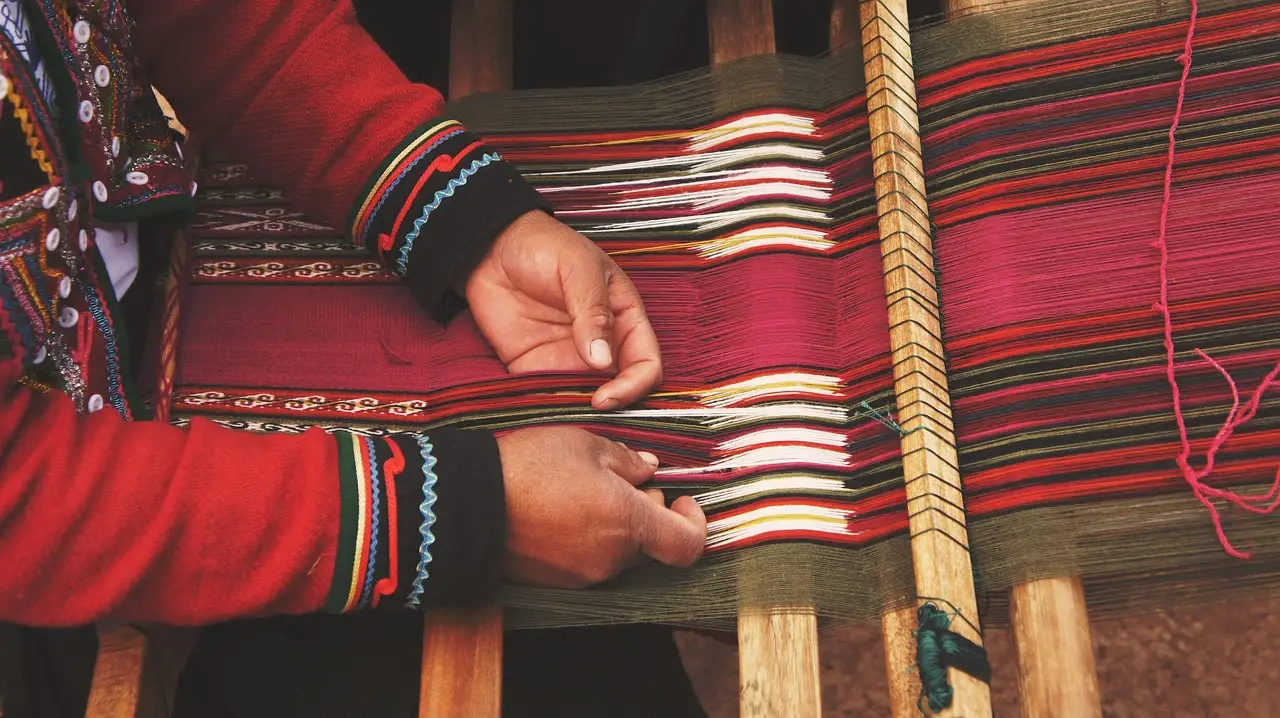
Zahidjee's shuttered unit operated 262 looms. That is the confirmed number from the report; no headcount figure for affected workers was disclosed. The mill sits in Pakistan's weaving tier — the layer between spinning (yarn) and finishing/garment cut-and-sew — which is where closures bite hardest for buyers, because weaving capacity is harder to restart than spinning and less substitutable than stitching.
The report frames the closure against "mounting pressure" on Pakistan's textile industry generally. It did not attribute the decision to a single cause, and no statement from company management was quoted in the coverage available.
Is this an isolated case or part of a pattern?
Profit by Pakistan Today presents the Zahidjee shutdown as one instance of broader strain rather than an idiosyncratic exit. That framing matters for practitioners: when an individual mill closes, you audit that supplier's commitments. When closures cluster across the weaving tier, you audit the country programme.
For buyers, the mechanics of a unit shutdown are the same whatever the macro cause:
- Confirm which open purchase orders the closed unit was scheduled to weave, and secure the grey fabric against them.
- Check whether Zahidjee holds alternative capacity elsewhere in its own operations or whether orders move to third-party mills.
- Verify that any transferred production still meets the buyer's agreed technical specs and compliance audits at the receiving site.
What should sourcing teams do now?
Two moves are warranted. First, treat this as a counterparty risk event: any brand or trader with Zahidjee on its fabric vendor list should be in direct contact this week on order status and continuity plans, and should document the responses. Second, watch for follow-on signals — further mill closures, energy-related production stoppages, or payment-stress reports — before committing incremental volumes to the Pakistani weaving base.
The report gives no indication that Zahidjee's broader operations have ceased; the confirmed fact is the weaving unit's closure. Buyers should size their response to that unit, not assume the whole supplier has exited.
One line to carry into next week's sourcing review: 262 looms are now offline in Pakistan's weaving tier, and every fabric programme that touched them needs a named fallback mill before the next order cycle.
via Google News: Textile industry (Source)
More from James Calloway
Show full bio
Market editor covering people, launches and day-to-day practice in Light industry and softgoods manufacturing at Softgoods Report.
326 articles