Sustainability & ComplianceTKT-8748
Weavabel Opens Closed Loop for Fashion Poly Bags Across EU, UK
UK trims specialist Weavabel has launched an EU-UK closed-loop system recycling garment poly bags into new film, aiming at PPWR and ESPR circularity requirements.
- Cut
- October 2, 2026
- Sew
- 3 min
- Ticket
- TKT-8748
Construction
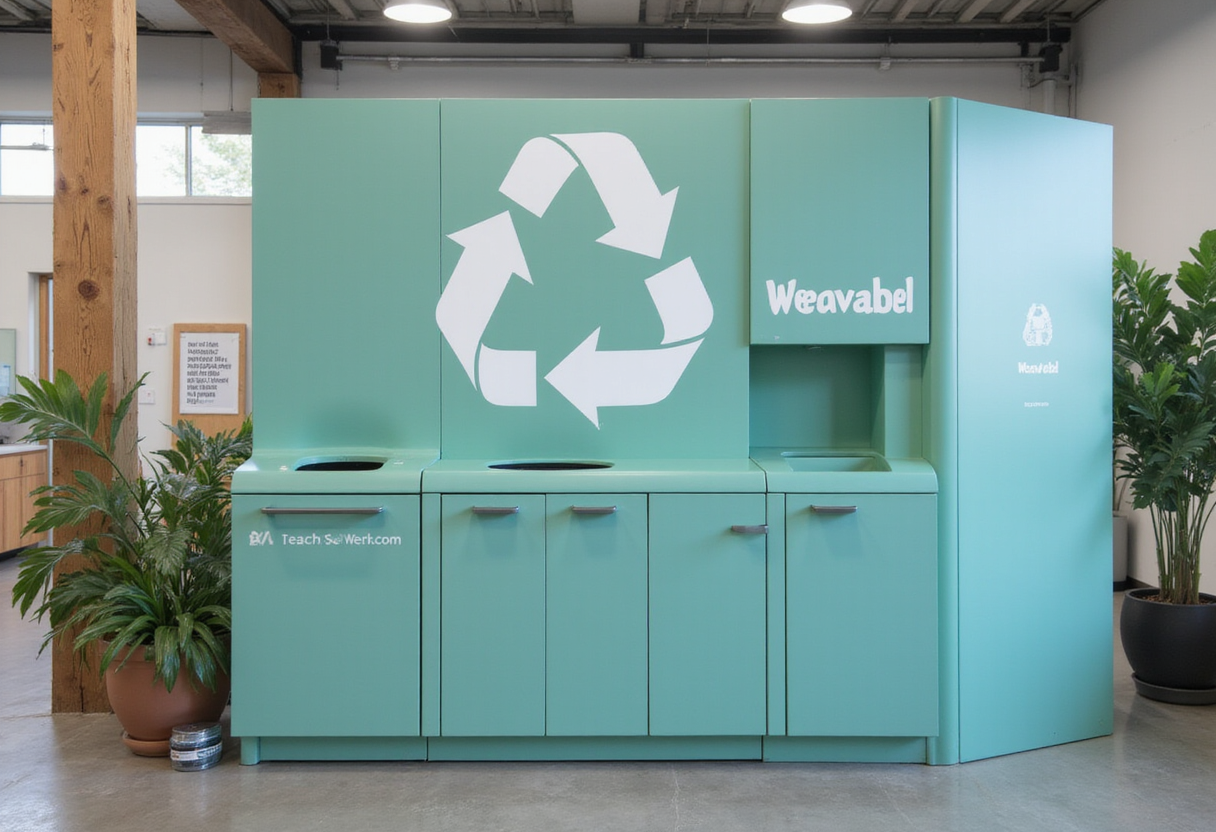
Weavabel's closed-loop system recycles used garment poly bags into new bags via collection, shredding, pelletizing and film blowing at its own production plant.
The system consolidates poly bag waste by truck across the EU and UK and is designed to help brands comply with the EU's PPWR and ESPR without building their own recycling infrastructure.
The loop requires no change to existing brand operations — poly bags move through the same warehouses, factories and distribution centres; only the waste destination changes.
UK-based trims and packaging supplier Weavabel has launched a closed-loop recycling system that turns used garment poly bags into new ones, targeting fashion brands that must now prove circularity under European packaging rules rather than simply claim it.
The system addresses one of the fashion supply chain's most ubiquitous single-use items. Garment poly bags — thicker and more durable than retail carrier bags — protect apparel in transit from factory to store, and the industry ranks among their largest users. Most currently end up in landfill.
The commercial logic sits in the regulatory layer. Two EU instruments are forcing the issue: the Packaging and Packaging Waste Regulation (PPWR) and the Ecodesign for Sustainable Products Regulation (ESPR). Both push fashion and lifestyle brands to demonstrate material circularity. Weavabel's pitch is that brands can meet that obligation without building recycling infrastructure of their own.
"Poly bags have always been treated as disposable, but that thinking doesn't hold up anymore," said Saqib Ihsan, who heads regulatory compliance and sustainability at Weavabel. "Regulation is moving fast, and most brands are being asked to prove circularity, not just claim it — so we built this loop to give them a real, traceable answer. It works with the way poly bags already move through warehouses, factories and distribution centres, so nothing has to change on the brand's side except where the waste ends up."
How the loop runs
The system maps onto existing packaging flows across the supply chain, which is central to its scalability claim. Factories order poly bags from their nearest Weavabel warehouse. The garment vendor purchases the bags, packs garments and ships inventory to distribution centres. Once garments reach stores, the brand collects used poly bags at retail level and returns them to its distribution centres, where staff sort and bale them with other waste.
From there, Weavabel takes over. The company trucks the waste out and consolidates it across the EU and UK for recycling. The material passes through a second sort, then shredding and processing, before shipping to a licensed importer. It then undergoes polymer processing and blending, is pelletized, and moves to film blowing at Weavabel's production plant — where it becomes new bags.
Weavabel positions the model against fragmented collection systems and limited recycling infrastructure, which the company identifies as the main barriers to poly bag recovery in Europe. Because the loop is integrated across warehouses, factories and distribution centres, the supplier argues it gives brands a practical route to extend packaging life and cut reliance on virgin plastic.
What it means for sourcing teams
For packaging buyers, the model shifts poly bags from a disposable consumable to a traceable material stream with a documented chain of custody. That distinction matters under PPWR and ESPR, where evidence of recycled content and circularity increasingly determines compliance status in the EU market.
The setup also requires no operational change at the brand level, according to Ihsan — collection piggybacks on existing store-to-distribution-centre returns flows. The decision point for sourcing and compliance teams is whether third-party closed-loop systems of this kind satisfy auditor and regulator expectations on circularity, or whether brands will face pressure to internalise recycling capacity as enforcement tightens.
"We're not asking brands to recycle better. We're closing the loop for them," said Ihsan.
The obligation to prove circularity — not merely assert it — now sits with every brand selling packaged goods into the EU. Suppliers that can document a full recovery-to-reprocessing chain, as Weavabel claims, turn that obligation into a purchasing decision rather than a capital project.
via Sourcing Journal (Source)
More from Olivia Hart
Show full bio
Senior reporter covering marketplaces and e-commerce at Softgoods Report.
71 articles