Textile Mills & FibersTKT-2E8A
Turkish Textile Machinery Exhibition Opens at Damascus Fairgrounds
Damascus Fairgrounds hosts the first Turkish exhibition of textile machinery and supplies, SANA reports, as Turkish vendors probe Syrian re-equipment demand.
- Cut
- October 2, 2026
- Sew
- 3 min
- Ticket
- TKT-2E8A
Construction
First Turkish exhibition of textile machinery and supplies opens at Damascus Fairgrounds, per SANA
SANA's report gave no exhibitor counts, duration or order figures
Event signals Turkish machinery suppliers' interest in the Syrian re-equipment market
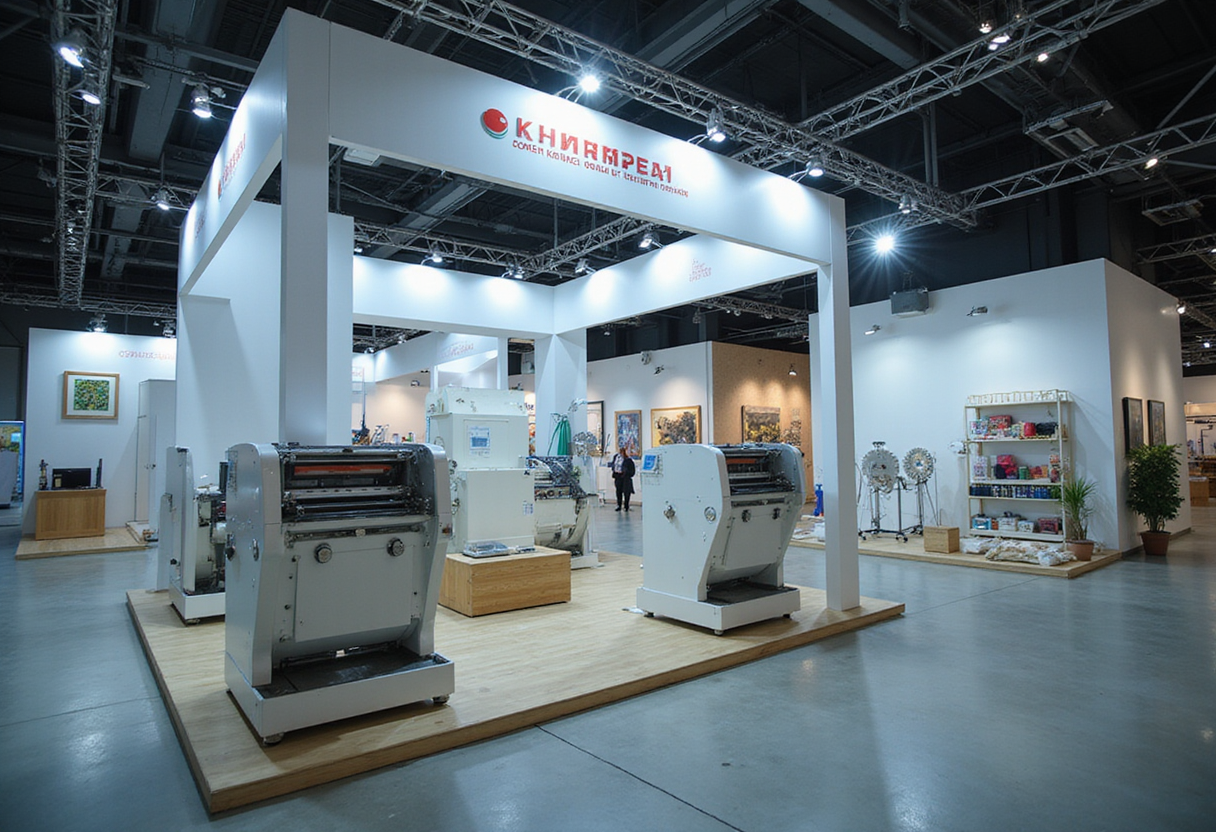
Syria's Damascus Fairgrounds is hosting the first Turkish exhibition dedicated to textile machinery and supplies, according to Syria's official news agency SANA, which reported the opening of the event.
The show marks the first time a Turkish exhibition of this kind — covering machinery and supplies for textile production — has taken place at the Damascus venue. The fairgrounds, long the country's principal exhibition site, is the location Syrian trade bodies typically use for sectoral industrial events.
SANA, the state news agency that reported the launch, did not specify in its dispatch the number of exhibiting companies, the exhibition's duration, the floor space allocated, or the names of the Turkish trade bodies organising the participation. Those details, once confirmed, will determine how much actual equipment-ordering activity the event can generate rather than serving purely as a promotional showcase.
For Turkish machinery suppliers, Syria represents a prospective re-entry market. Turkish textile machinery manufacturers — who supply spinning, weaving, knitting, dyeing and finishing equipment to producers across the region — have historically counted nearby export markets among their core customer bases. A presence in Damascus signals interest in rebuilding commercial channels with Syrian textile producers, whose machinery stock has aged through more than a decade of conflict and sanctions-era isolation that curtailed imports of new equipment and spare parts.
For Syrian mills and garment factories, the relevance is direct. Textile and apparel production in Syria was once a significant industrial employer and a source of both domestic supply and regional exports. Re-equipping those plants requires access to machinery vendors, after-sales service networks and consumable supplies — precisely the categories an exhibition of this kind brings under one roof. Turkish suppliers are geographically the closest large-scale source of that equipment, with established overland freight routes between the two countries.
The exhibition format itself carries commercial weight in this sector. Machinery sales in textiles typically begin at trade fairs, where mill owners inspect machine specifications, negotiate financing terms and place trial orders. A first-time Turkish show in Damascus therefore functions as a market-opening exercise: it allows Turkish vendors to gauge Syrian demand in person and allows Syrian producers to assess which technologies — and which payment and service terms — are realistically available to them.
What SANA's report does not yet establish is the transactional substance behind the event. No order volumes, memorandum signings, capacity commitments or participation figures were included in the dispatch. Trade buyers assessing the significance of the show should treat it, on the current record, as an inaugural market-contact event rather than a confirmed channel of equipment supply.
Sourcing and compliance teams at apparel brands with an interest in Syrian production should watch what follows the exhibition. Any move to re-equip Syrian textile mills would raise standard due-diligence questions — sanctions status, payment channels, and auditability of factory conditions — before orders could flow through suppliers based there.
The decision the news forces is a monitoring one: buyers and machinery vendors alike should track whether this first exhibition converts into named supplier agreements, service-centre openings or documented equipment orders — the concrete indicators that Syrian textile capacity is being rebuilt with Turkish hardware, and at what scale.
via Google News: Textile machinery and sewing automation (Source)
More from Tom Whitfield
Show full bio
Staff writer covering consumer brands and retail at Softgoods Report.
88 articles