Textile Mills & FibersTKT-6833
Sisal leaf waste trialled as plant-based dye for cotton
Researchers in Coimbatore report sisal leaf waste could serve as a plant-based dye for cotton, turning a zero-value farm waste stream into a colorant input now at trial stage.
- Cut
- September 30, 2026
- Sew
- 1 min
- Ticket
- TKT-6833
Construction
Researchers in Coimbatore report sisal leaf waste can function as a plant-based dye source for cotton.
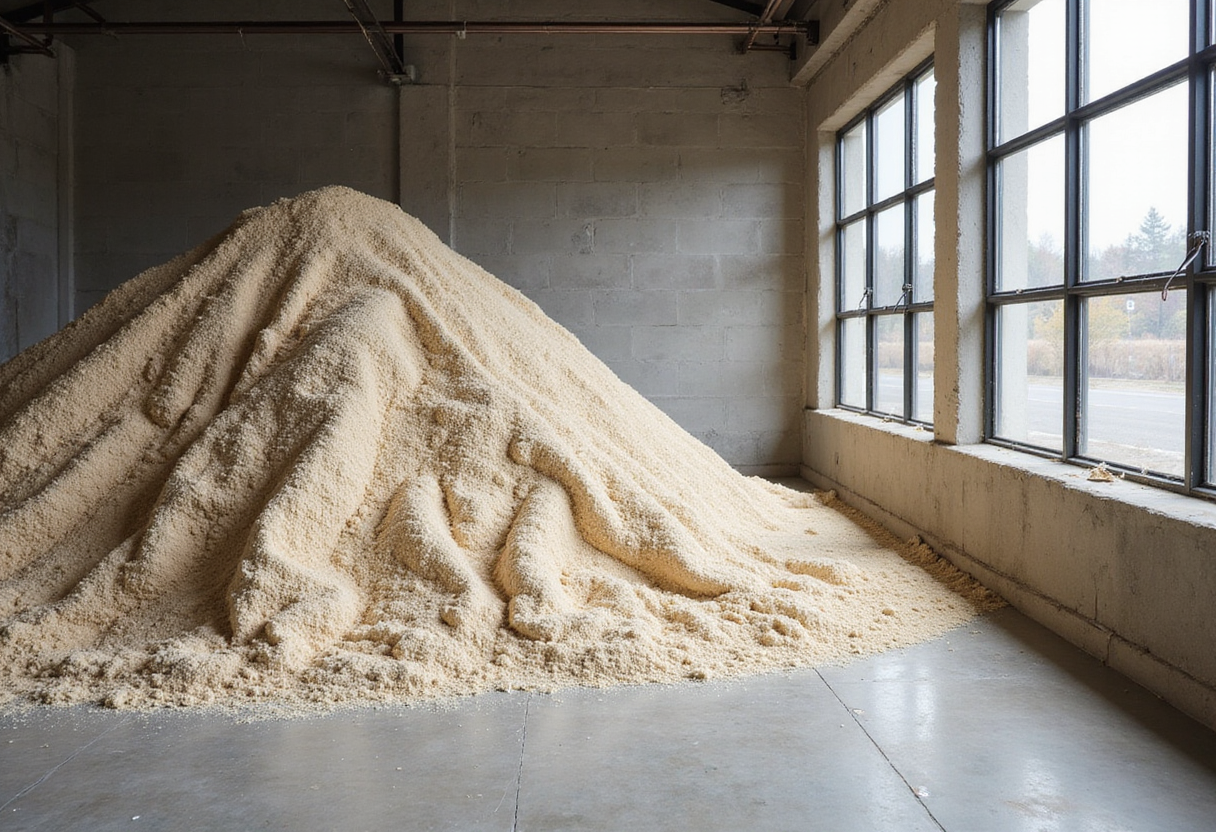
The feedstock is a zero-value waste stream from sisal fibre production.
Findings are at research/trial stage, with no buyer commitments or scale-up volumes reported.
Researchers in Coimbatore report that leaf waste from sisal production could serve as a viable plant-based dye source for cotton, according to Ecotextile News.
The trial addresses two supply-chain problems at once. Sisal processing generates substantial leaf waste at farm level, and that waste stream currently carries no commercial value. Repurposing it as a dye input would give fibre producers a secondary revenue line while giving textile mills a non-synthetic colorant option.
For cotton dyers, the work sits within a broader push toward plant-based and lower-impact coloration routes, as brands face tightening disclosure requirements on chemical inputs in wet processing. Any commercial adoption, however, will hinge on the usual gates for natural dyes: shade consistency across batches, fastness performance, and scalability beyond laboratory trials.
The researchers' claim remains at trial stage. No buyer commitments, factory partnerships, or production volumes were reported alongside the findings, and the results have not yet been tied to a certification standard or regulatory framework.
Sourcing and dye-house teams tracking natural colorant options should monitor whether the Coimbatore work progresses to fastness testing and pilot-scale dyeing. Until those results exist, sisal-derived dye is a research lead, not a procurement option — but it flags a low-cost agro-waste feedstock worth screening as compliance pressure on conventional dye chemistry grows.
via nature.com (Original)
More from Grace Kim
Show full bio
Correspondent covering marketplaces and e-commerce at Softgoods Report.
100 articles