Technical Textiles & NonwovensTKT-547C
NIT-Jalandhar conference puts technical textiles capacity in focus
NIT-Jalandhar hosted an international conference on traditional and technical textile trends, signalling India's institutional push to build technical textile R&D capacity.
- Cut
- September 28, 2026
- Sew
- 2 min
- Ticket
- TKT-547C
Construction
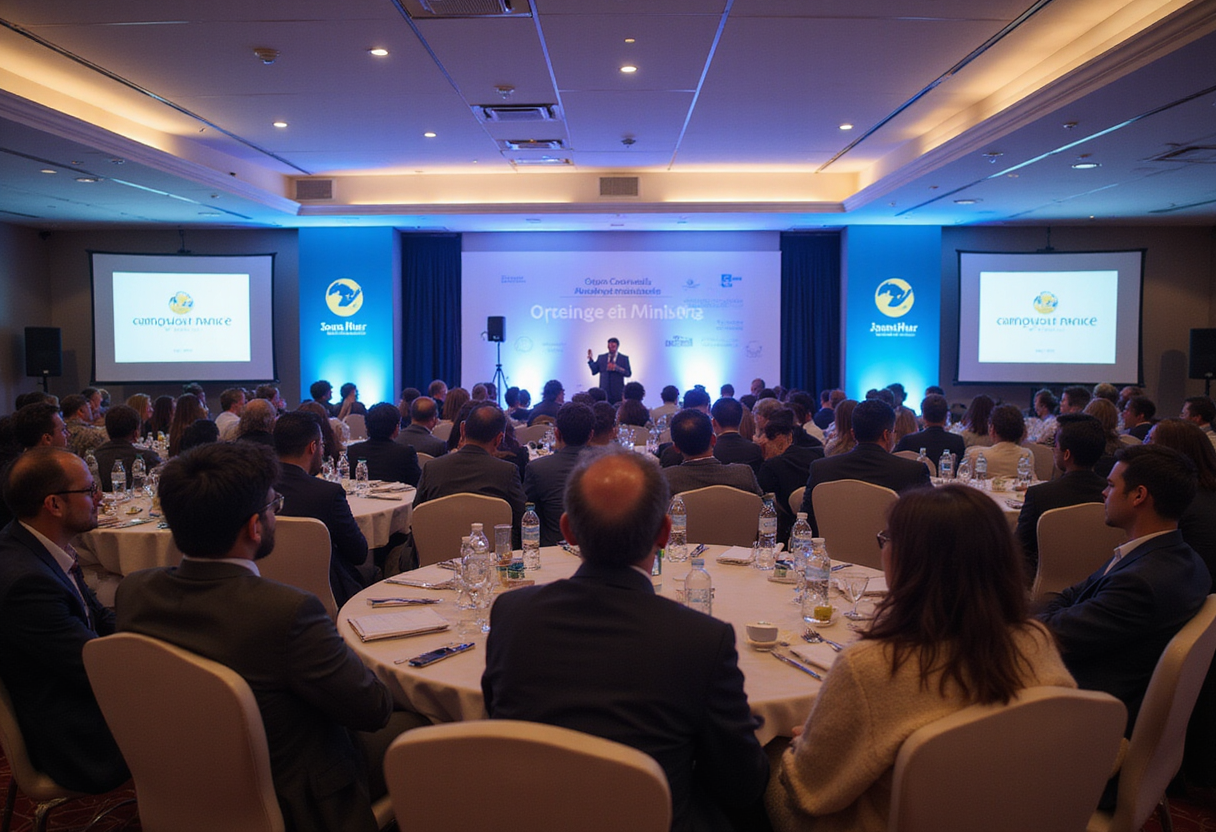
NIT-Jalandhar hosted an international conference on trends in traditional and technical textiles.
The event connected academic research with industry participants across both conventional and engineered-fibre textile segments.
Technical textiles remain a stated Indian priority for import substitution and export growth, supported by public research institutions.
The Dr B.R. Ambedkar National Institute of Technology (NIT) Jalandhar has hosted an international conference on trends in traditional and technical textiles, bringing together researchers, industry participants and policymakers around India's two-track textile strategy.
The conference addressed both ends of the sector's supply chain. On one side sit traditional textiles — handloom, weaving and heritage fabric production that still anchor employment across clusters in Punjab and neighbouring states. On the other sits technical textiles, the engineered-fibre segment covering medical, automotive, geotextile and protective applications, where India has made domestic capacity-building a stated industrial priority.
For sourcing teams, the significance of the event is less the papers presented than the signal it sends. Institutions such as NIT-Jalandhar function as R&D feeders for the technical textile tier. Conferences of this type connect mill operators, machinery suppliers and fabricators with academic research on fibre engineering, finishes and testing standards — the compliance and performance groundwork that buyers increasingly require from Indian suppliers competing against established technical textile producers in China, Taiwan and South Korea.
The event also reflects the government's framing of technical textiles as a growth segment. India has positioned the sector as a target for import substitution and export expansion, with public research institutions expected to support product development that local manufacturers can commercialise. Traditional textiles, by contrast, remain tied to artisanal and small-scale production models, where the policy questions centre on cluster modernisation and market access rather than engineered performance.
The dual focus matters for apparel and soft-goods buyers assessing India as an alternative sourcing destination. Technical textiles capacity — nonwovens, composites, industrial fabrics — determines whether India can capture higher-value orders in medical protective equipment, filtration and automotive interiors, categories that have shifted supplier qualification requirements toward verified technical standards. Traditional textile competence sustains the base apparel export flow that still depends on conventional spinning, weaving and finishing capacity.
Holding the conference at a federally funded technology institute rather than a trade body venue also points to where the sector's capability gaps sit. India's technical textile production has historically lagged global leaders in scale and specialisation, and academic-industry linkage is one mechanism officials have identified to close that gap.
The sourcing decision the event forces on buyers and suppliers is straightforward. Manufacturers serving technical end-markets should verify which NIT-linked research and testing capabilities their Indian partners can access, since product qualification in medical, automotive and industrial segments will trace back to certified performance standards. Buyers diversifying beyond China for engineered fabrics should treat India's institutional research capacity — and conferences like this one — as an indicator of how quickly that supply base can meet technical specifications at commercial volumes.
via Google News: Technical textiles and nonwovens (Source)
More from James Calloway
Show full bio
Market editor covering industry trends and analytics at Softgoods Report.
94 articles