Textile Mills & FibersTKT-B2AE
Loro Piana Pays Premium for 12.89-Micron Cashmere in New York
Loro Piana's 2025 Cashmere of the Year Award paid three Inner Mongolia herder couples for lots as fine as 12.89 microns, alongside a New York exhibition and Mongolian sourcing programmes.
- Cut
- November 12, 2026
- Sew
- 3 min
- Ticket
- TKT-B2AE
Construction
First-prize lot measured 12.89 microns across 135.8 kg of greasy cashmere.
Award, established 2015, honoured three herder couples from Inner Mongolia at its 11th edition in New York.
The Loro Piana Method breeding programme has run in Inner Mongolia since 2009.
Resilient Threads launched in Mongolia in partnership with UNCCD, the Sustainable Fiber Alliance and the Odyssey Conservation Trust.
New Ghemme knitwear plant covers 86,000+ sq ft — first new Loro Piana factory since the 1990s.
Loro Piana has awarded its 2025 Cashmere of the Year prize to a fibre lot measuring 12.89 microns — roughly one-fifth the thickness of a human hair at 70 microns — as the LVMH-owned house tightens its raw-material sourcing standards in Inner Mongolia and Mongolia.
The company announced the winners on Tuesday at The Brant Foundation in New York, alongside the opening of its "Master of Cashmere" exhibition. Three couples of cashmere herders from Inner Mongolia took the honours at this 11th edition of the award, launched in 2015.
What did the winning lots measure?
The prize structure tracks both volume and fineness of greasy cashmere:
- First prize: 135.8 kg of greasy cashmere at 12.89 microns
- Second prize: 87.1 kg at 13.01 microns
- Third prize: 116 kg at 13.04 microns
A micron equals one-thousandth of a millimetre. Winners receive a financial reward per kilo of fibre produced plus a handcrafted silver comb referencing the combing harvest.
Chief executive officer Frédéric Arnault framed the award around the supplier relationships behind the numbers. "Cashmere is at the heart of Loro Piana's identity," he said, describing the exhibition as tracing the fibre from Mongolia and Inner Mongolia through the company's Italian mills.
How does the company drive fineness down?
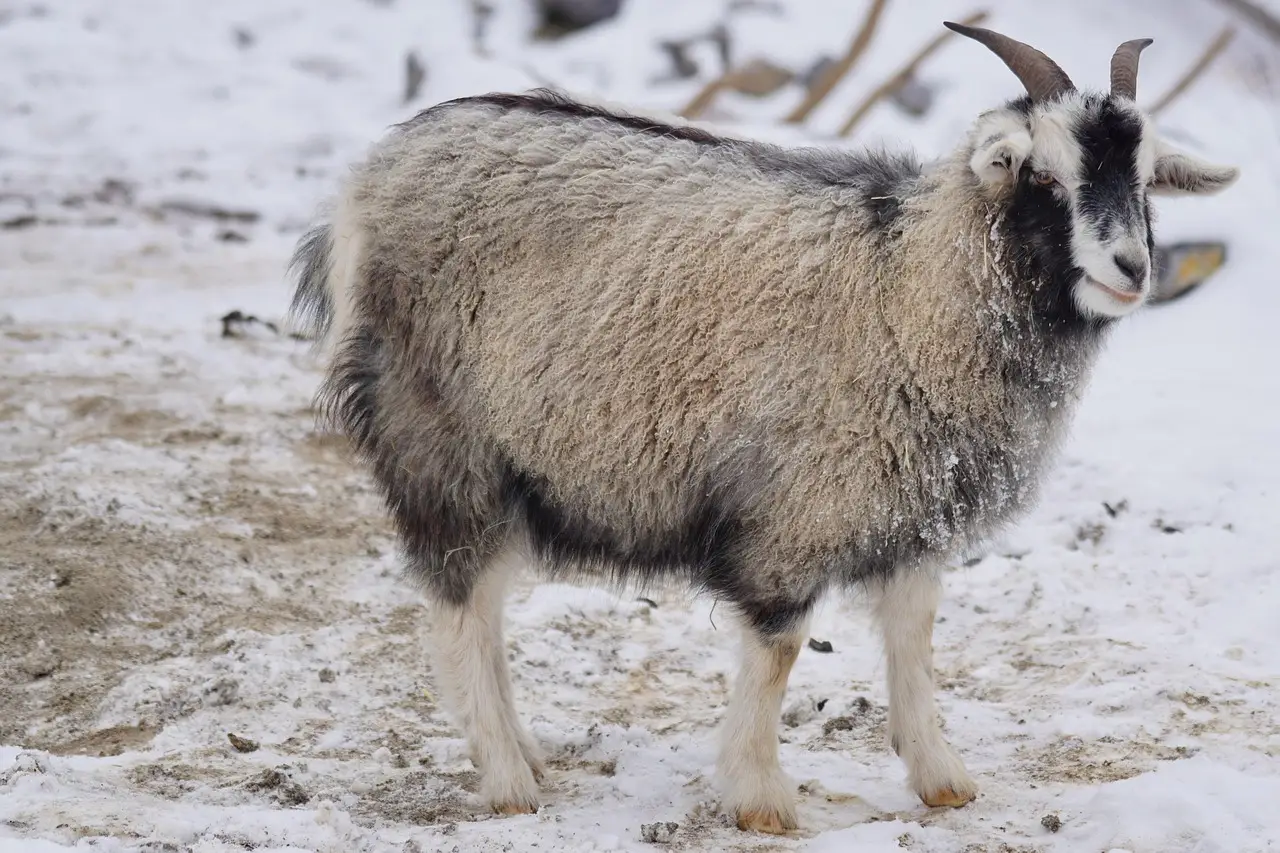
Since 2009, Loro Piana has run The Loro Piana Method, a selective breeding programme with herders in Inner Mongolia that the company credits with improving quality and fineness while supporting preservation of the Alashan goat. The programme has produced new generations of goats and, in the company's account, a durable sourcing partnership with local herders and breeders.
"The quality of cashmere depends on many factors, starting with the animals, the environment in which they live, and the expertise of the herders," Arnault said. "This is something I witnessed firsthand in Mongolia."
Deputy chairman Pier Luigi Loro Piana, who began sourcing trips to China in the 1980s, said the award grew from those ties. "We wanted not only to reward their efforts, but also to create an opportunity to celebrate their dedication, showcase their expertise and honor the traditions they have carried forward through generations," he said.
What is the compliance footprint?
Last year the company launched Resilient Threads in Mongolia, a programme operating in Sukhbaatar Province that supports cashmere cooperatives, herding communities and steppe biodiversity. Two years of preparatory work produced the initiative, which the company built with the United Nations Convention to Combat Desertification, the Sustainable Fiber Alliance and the Odyssey Conservation Trust. It aligns with Mongolia's economic, climate, biodiversity and equity goals.
Academic partners supply training and research: the Royal Veterinary College in London, the University of Liège in Belgium, the Mongolian University of Life Sciences and the Mongolian University of Finance and Economics.
Where does this sit in the wider sourcing strategy?
The cashmere award is one pillar of a broader rare-fibre programme. Loro Piana's Record Bale Award, established in 1997, went in Tokyo last April to a merino fleece of 10.4 microns. That award rotates between an Australian and a New Zealand farm; each record bale is held in a glass container at the Quarona factory in Piedmont until a finer one arrives, then spun into the ultrafine Gift of Kings garment line.
The company, controlled by LVMH since 2013, also sources vicuña from Peru, funds the Knit Design Award for graduates of leading design schools, and in September inaugurated a knitwear complex in Ghemme, Piedmont. The Ghemme plant covers more than 86,000 square feet, integrates most stages of fully fashioned knitwear production in a single site, and marks Loro Piana's first new factory build since the 1990s.
For sourcing teams, the signal is direct: Loro Piana is formalising long-term, premium-per-kilo supply contracts with named herder groups while consolidating processing capacity in Italy — a vertically traced model from goat to garment that competitors in the luxury fibre segment will need to match on both traceability and fineness.
via wwd.com (Source)
More from Grace Kim
Show full bio
Correspondent covering regulation, policy and their impact on Light industry and softgoods manufacturing at Softgoods Report.
360 articles