Technical Textiles & NonwovensTKT-8651
Lenzing pushes bio-based nonwovens into global supply chains
Austrian fibre producer Lenzing is advancing bio-based nonwovens with supply reach across global markets, offering hygiene and wipes brands a renewable alternative to synthetic inputs.
- Cut
- October 10, 2026
- Sew
- 2 min
- Ticket
- TKT-8651
Construction
Lenzing, headquartered in Austria, is advancing its bio-based nonwovens business with global market reach.
The move targets the fibre input tier for nonwovens used in hygiene and wipes applications.
Fibre2Fashion reported the development as a global rather than single-region initiative.
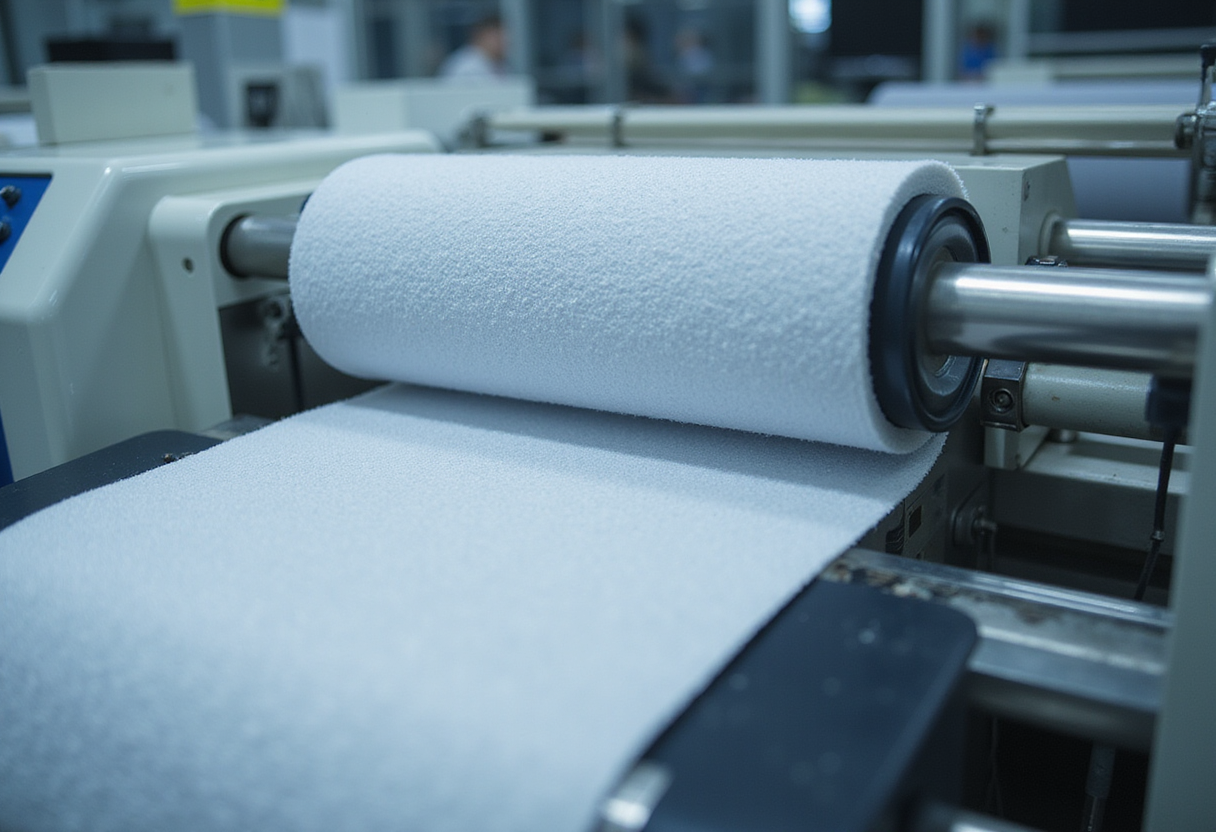
Wood-based cellulosic fibre serves as drop-in feedstock for existing spunlace nonwovens lines.
Lenzing, the Austrian cellulosic fibre producer, is advancing its bio-based nonwovens business and extending its reach across global markets. The company, headquartered in Lenzing, Austria, supplies fibre inputs to the nonwovens and hygiene tier — a segment that spans wipes, absorbent hygiene products and medical disposables, and one where buyers are under growing pressure to shift from fossil-based synthetics to renewable feedstock.
The development concerns the upstream fibre tier of the softgoods supply chain. Lenzing's core business is wood-based cellulosic fibre, and its nonwovens portfolio applies that feedstock to spunlace and airlaid applications used by converters and brand owners in Europe, the Americas and Asia. Fibre2Fashion reported the advance, framing it as a move with global reach rather than a single-region launch.
What does this change for nonwovens sourcing?
For sourcing teams in hygiene and wipes categories, a bio-based nonwoven input offers a route to reduce dependence on polyester and polypropylene without changing the converting step. Wood-based cellulosic fibres are drop-in materials for existing spunlace lines, which limits the capital barrier that usually slows feedstock switches.
The sustainability claim rests on renewable feedstock. Bio-based content claims of this kind trace back to certification of the wood pulp chain, and buyers verifying such claims against standards — for example certification of forest-sourced material — should treat the supplier's chain-of-custody documentation as a compliance item, not a marketing line.
Why does global reach matter here?
A fibre producer that can supply nonwovens inputs into multiple regions gives global brand owners a single-specification option across manufacturing footprints. That matters for hygiene multinationals that run converting plants in North America, Europe and Asia and need consistent fibre quality to avoid requalification costs at each site.
It also matters as regional regulation diverges. Nonwovens and disposables face plastic-reduction and single-use rules at different speeds in the EU, North American and Asian markets. A renewable-input supply base gives product teams a common answer to those regimes.
What decision does this force?
Sourcing and compliance leads in wipes and hygiene should now evaluate whether their current synthetic nonwoven specifications carry regulatory exposure in their largest markets, and whether a certified bio-based cellulosic alternative from a supplier with multi-region capacity can be qualified without a line change. The cost of that review is small; the cost of requalifying under regulatory deadline pressure is not.
via Google News: Technical textiles and nonwovens (Source)
More from James Calloway
Show full bio
Market editor covering industry trends and analytics at Softgoods Report.
234 articles