Lenzing doubles down on TreeToTextile ahead of EU flagship plant decision
Lenzing reaffirmed backing for TreeToTextile's cellulose fibre technology after a 19 November visit to the Nymölla demo plant, ahead of a planned first EU flagship facility with no site or capacity yet named.
- Cut
- November 25, 2026
- Sew
- 3 min
Construction
Lenzing became TreeToTextile's majority shareholder in February 2026, after first investing in February 2025.
CEO Georg Kasperkovitz and CFO Mathias Breuer visited the Nymölla, Sweden demonstration plant on 19 November.
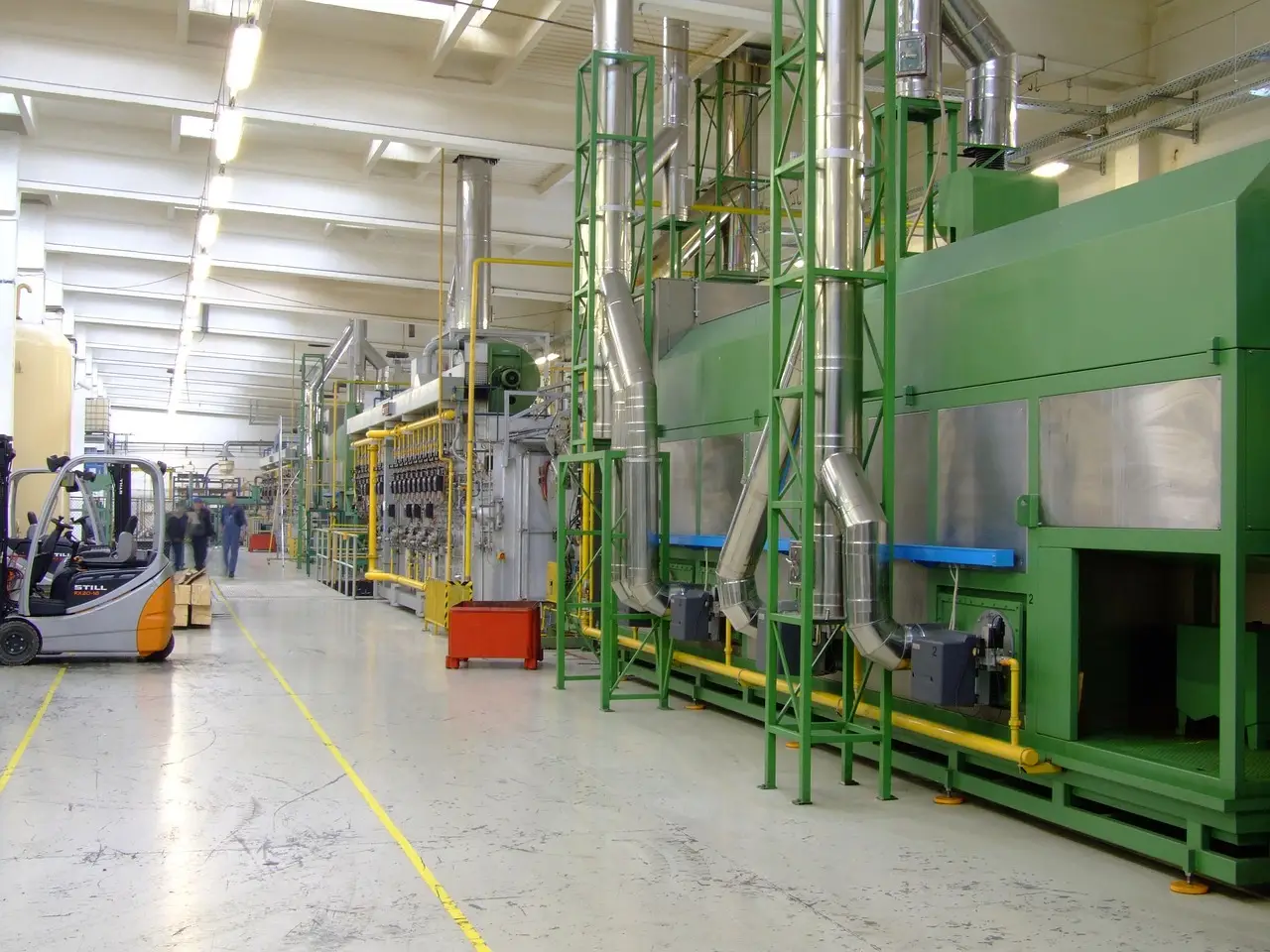
The Nymölla plant has operated since early 2024 and tests continuous production at small industrial scale.
The EU co-funded LIFE TreeTex project at the site runs until end of 2028, testing an all-alkaline process.
TreeToTextile's next step is its first flagship plant in the EU; no site, capacity or timeline was disclosed.
Lenzing Group has reaffirmed its commitment to TreeToTextile's cellulose fibre technology as both companies prepare the groundwork for industrial-scale manufacturing in the European Union.
Chief Executive Officer Georg Kasperkovitz and Chief Financial Officer Mathias Breuer visited TreeToTextile's demonstration plant in Nymölla, Sweden, on 19 November. They met the operating team and reviewed the production process. No new investment figure accompanied the statement. That absence matters. Reaffirmation is cheap; capital allocation is not.
Who owns what, and since when?
Lenzing first invested in TreeToTextile in February 2025. It became majority shareholder in February 2026. Since then, employees from both companies have worked together on process development and on raising output at the demonstration facility.
Kasperkovitz framed the logic of the deal. He said the partnership combines TreeToTextile's technology with Lenzing's fibre expertise. He added that Lenzing sees the technology as a potential contributor to the future of the fibre industry and will continue supporting its development.
Note the wording. "Potential contributor" is not a commitment to volume. "Will continue supporting development" is not a firm order book. Buyers of man-made cellulosics should read this as strategic patience, not a supply announcement.
What is the Nymölla plant actually testing?
The facility has operated since early 2024. It tests continuous production at a small industrial scale and produces fibre for application development and market testing. TreeToTextile is targeting cellulose fibres for textile and nonwoven applications, with a stated focus on performance, affordability and efficient resource use.
The company claims the fibres could, depending on the application, complement or replace some cotton, viscose and polyester. That substitution claim carries no date and no cost per tonne. Replacement of incumbents depends on price parity, and neither party has published economics.
The plant also hosts the LIFE TreeTex project, co-funded by the European Union. It runs until the end of 2028 and tests an all-alkaline cellulose fibre production process at an industrially relevant scale. The EU co-funding signals regulatory appetite for lower-impact fibre routes. It does not guarantee commercial viability.
What does this change for sourcing teams?
Little today. Everything hinges on the next step. TreeToTextile says its next major move is to plan and establish its first flagship plant inside the European Union, using experience gained at Nymölla to support industrial-scale production. No site, no capacity figure and no timeline appeared in the announcement.
Until those three details arrive, the material remains a demo-stage option. Nonwovens buyers have the nearer-term interest. Lenzing states the development aligns with its strategy to expand its nonwovens business and advance more resource-efficient fibre production — so nonwoven applications, not apparel displacement, are the realistic first commercial front.
For fibre buyers, the practical questions are unchanged: price, certified feedstock and volume at scale. The LIFE funding and the 2028 project end-date give the earliest credible checkpoint for a costed process. A flagship plant decision before then would be the signal to shortlist the fibre. Watch for a named site and a capacity number — those two facts, not site visits, will mark the shift from pilot to supplier.
via textiletoday.com.bd (Source)
More from Tom Whitfield
Show full bio
Staff writer covering companies, deals and strategy in Light industry and softgoods manufacturing at Softgoods Report.
380 articles