Sustainability & ComplianceTKT-4C29
Inditex and World Bank launch $400m textile supplier finance fund
Inditex commits $50m to D-Tafs, a $400m fund with the World Bank's IFC offering preferential debt to textile suppliers in Asia, MENA and Latin America.
- Cut
- November 13, 2026
- Sew
- 3 min
- Ticket
- TKT-4C29
Construction
Inditex commits $50m and the IFC $60m to D-Tafs, a fund targeting $400m for textile supplier financing.
First close expected at $225m; fund managed by Sima with participation from FMO, Proparco, BII, GEF and the Apparel Impact Institute.
Preferential debt targets manufacturers in Asia, the Middle East, North Africa and Latin America.
Quarterly accountability will measure emissions reductions from funded projects.
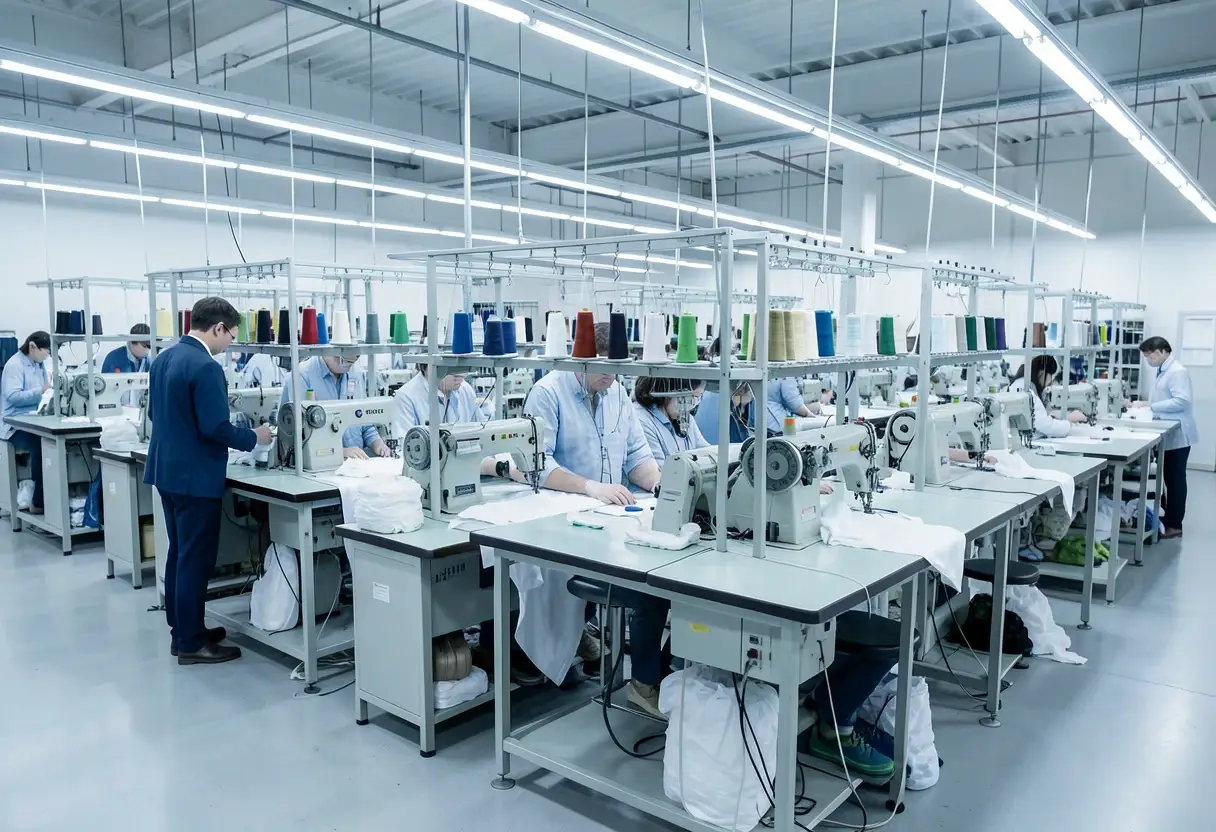
Inditex has committed $50 million to a new $400 million supply-chain finance vehicle, D-Tafs, created with the World Bank Group to fund decarbonisation and resource-efficiency upgrades at textile, apparel and footwear manufacturers in emerging markets. The International Finance Corporation (IFC), the World Bank Group's private-sector arm, is putting in a further $60 million, with the fund managed by investment firm Sima.
For suppliers, the core proposition is debt financing on preferential terms, tailored to the needs of manufacturers in developing countries — primarily in Asia, the Middle East, North Africa and Latin America. That matters because Tier 2 and Tier 3 suppliers (the mills, dyehouses and component makers upstream of garment assembly) rarely access long-tenor capital at workable rates, even when efficiency projects pay for themselves.
How is the money structured?
D-Tafs splits into two sub-funds. One lends directly to textile and apparel manufacturers. The other finances energy service companies, energy developers and distributors that work with those suppliers — the intermediaries that install and operate the equipment factories can't buy outright.
The first close is expected at $225 million, with future rounds planned to bring further investors in toward the $400 million target. Confirmed participants beyond Inditex and the IFC include:
- FMO (the Netherlands)
- Proparco (France)
- British International Investment (UK)
- The Global Environment Facility and the Apparel Impact Institute (both US)
These are institutional commitments on the record from the parties themselves — not market speculation.
What can suppliers actually get funded?
The scope is broad but firmly compliance-and-capex oriented. Qualifying projects include:
- Renewable energy installations
- Machinery replacement or modernisation
- Boiler and equipment upgrades
- Process optimisation
- Water reuse and wastewater treatment
- Improved management of production chemicals
The stated goals are cuts in greenhouse gas emissions and better energy and water efficiency — the same metrics brands increasingly audit against as EU supply-chain due diligence rules tighten. Treat this as a financing route to compliance, not a marketing claim.
How does application work?
Each company must submit a plan identifying its infrastructure needs, planned investments and environmental goals. The fund evaluates feasibility and sets indicators to measure progress and results. A quarterly accountability process will then report on environmental outcomes — specifically the emissions reductions achieved. In practice, that means funded suppliers take on measurement and reporting obligations, so factories should budget for data collection, not just hardware.
What the executives said
Óscar García Maceiras, CEO of Inditex, framed the fund as a shared-effort mechanism: "The transformation of the textile supply chain requires the industry to work together and for manufacturers to have access to both the technical expertise and the financing needed to make these investments."
Sarvesh Suri, IFC's regional vice president for Asia and the Pacific, pointed to the wider coalition: "This new fund brings together leading brands, investors, and suppliers around a common goal: to mobilise capital to improve productivity, energy efficiency, and operational resilience, and to help preserve quality jobs."
The sourcing decision this forces
For Inditex's supplier base — and for any manufacturer in the target regions supplying brands with tightening Scope 3 emissions targets (the indirect emissions in a buyer's value chain) — D-Tafs changes the cost of capital on efficiency upgrades. Suppliers serving EU-facing buyers should now be weighing whether a funded retrofit under quarterly emissions reporting beats self-financing the same work; buyers, meanwhile, gain another lever to push decarbonisation down the chain without fronting the money themselves.
via apparelviews.com (Source)
More from James Calloway
Show full bio
Market editor covering people, launches and day-to-day practice in Light industry and softgoods manufacturing at Softgoods Report.
362 articles