Softgoods Business & MarketsTKT-4B01
Finnish Study: Practical Messaging Undercuts Sustainable Apparel Demand
A Finnish study of 1,159 consumers finds practical-benefit messaging weakens the link between sustainability values and intent to buy a wood-based T-shirt, while enjoyment added no significant lift.
- Cut
- November 5, 2026
- Sew
- 3 min
- Ticket
- TKT-4B01
Construction
Study of 1,159 Finnish consumers across three studies (461, 239 and 459 participants), published in Forest Policy and Economics in October.
Practical-benefit framing weakened the link between sustainability values and purchase intent for a wood-based T-shirt; enjoyment gave no significant boost.
Enjoyment showed a statistically significant positive effect for a bioplastic bottle; biofuel had the strongest negative utilitarian interaction.
Two-year follow-up of 239 respondents confirmed enjoyment strengthens value-purchase link and utilitarian attitudes' negative effect reached significance.
Researchers measured stated intentions, not observed sales or specific price premiums; Finnish sample limits generalizability.
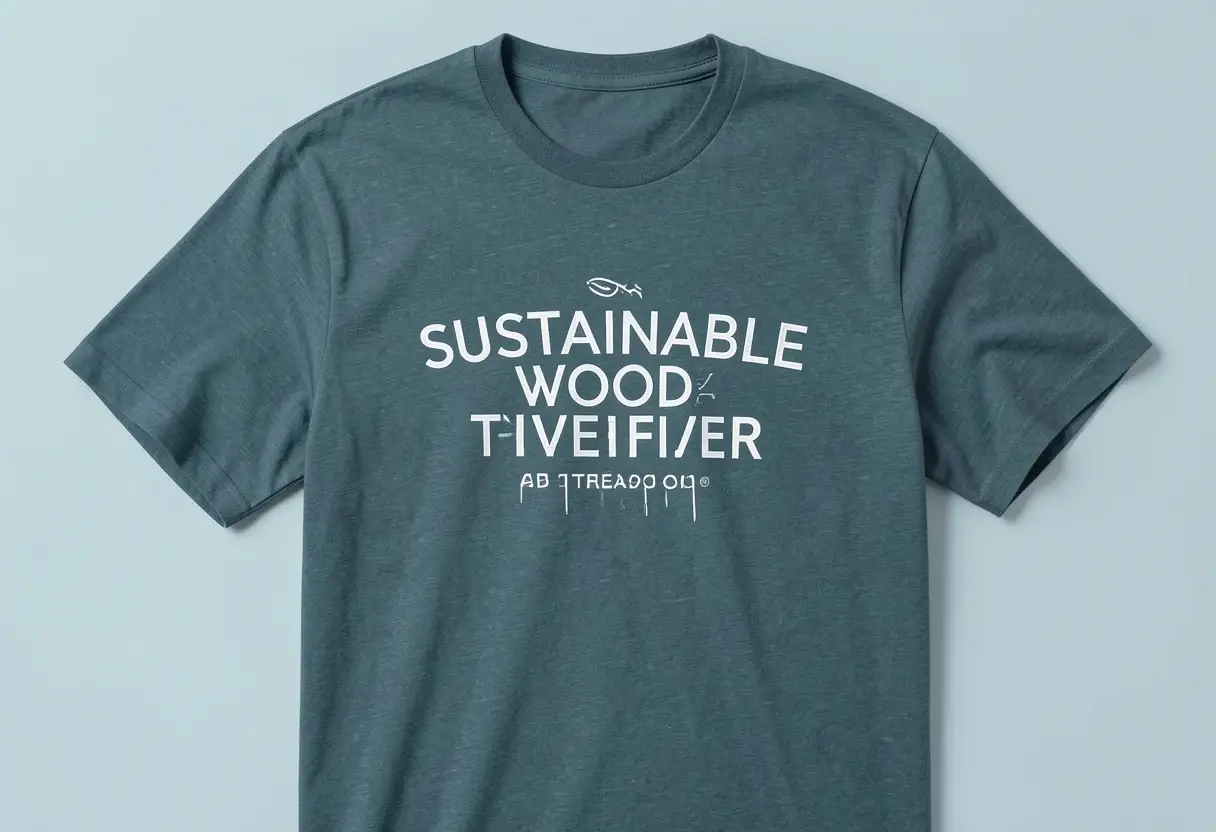
A University of Eastern Finland study of 1,159 Finnish consumers has found that emphasizing practical benefits weakens the link between shoppers' sustainability values and their willingness to buy a wood-based T-shirt — while enjoyment messaging provided no statistically significant boost for the garment at all.
The findings, published in Forest Policy and Economics in October, matter for anyone writing product copy or building a sourcing case for next-generation fibres (materials derived from wood pulp rather than cotton or polyester). They suggest the pitch itself can suppress conversion among the very consumers who claim to care most.
What did the researchers actually test?
Jyri Hoffrén, doctoral researcher at the University of Eastern Finland, and colleagues ran three studies separating hedonic attitudes — those tied to enjoyment and pleasure — from utilitarian attitudes, which emphasize functionality and practical benefits. The products were a wood-based T-shirt, a wood-based bioplastic bottle and biofuel.
The base sizes are solid for academic survey work:
- An initial study of 461 participants
- A two-year follow-up tracking 239 respondents to test whether the relationships held over time
- A third study of 459 participants comparing responses across the T-shirt, bottle and biofuel
For the T-shirt, stronger sustainability values did correlate with greater stated willingness to buy. But enjoyment did not significantly strengthen that relationship, and an emphasis on practical benefits actively weakened it.
"Consumers who value sustainable consumption are more willing to pay a premium, particularly when a product offers positive emotional and user experiences," Hoffrén said. "Enjoyment helps translate sustainability values into actual consumption behavior."
That mechanism worked for the bioplastic bottle, where enjoyment showed a statistically significant positive effect. Biofuel showed the strongest negative interaction between practical attitudes and sustainability values. In other words: the hedonic lever moved results for some product categories and not others, and the utilitarian frame dragged across the board.
The two-year follow-up tightened the picture. Enjoyment continued to strengthen the relationship between sustainability values and stated purchasing preferences, and the negative influence of utilitarian attitudes reached statistical significance — it hadn't in the initial study.
Why the value-behavior gap matters for apparel
The research offers a fresh explanation for the sustainability value-behavior gap: the documented disconnect between consumers' stated environmental priorities and what they actually buy. That gap is the number brands cite when they question whether premiums for lower-impact materials can survive at retail.
"This finding helps explain the value-behavior gap," Hoffrén said. "Consumers may consider sustainability important but decide not to buy a product if its price, practicality or perceived benefits fail to meet their expectations."
Two caveats belong in any sourcing memo built on this. Participants answered questions about purchasing intentions — the researchers did not observe sales, and nobody was asked to evaluate specific price premiums for sustainable clothing. The all-Finnish sample also limits how far the results travel to other markets.
A greenwashing warning with teeth
The authors flag a compliance-adjacent risk: emotional appeal can make consumers less likely to interrogate environmental claims. That cuts both ways for marketers working under tightening green-claims regulation in the EU.
"Companies should consider sustainability as part of a product's overall value. If product marketing emphasizes enjoyment without genuine experiential benefits, it may lose credibility," Hoffrén said. "For utilitarian products, consumers are also quick to scrutinize whether the environmental benefits are genuine."
For apparel teams, the decision this forces is straightforward: if you're taking wood-based or other next-generation fibre programmes to market, lead with the wear experience — and make sure every environmental claim behind it traces to a verifiable standard, because both regulators and shoppers are now primed to check.
via Sourcing Journal (Source)
More from James Calloway
Show full bio
Market editor covering people, launches and day-to-day practice in Light industry and softgoods manufacturing at Softgoods Report.
326 articles