Trade & Sourcing PolicyTKT-90AC
FBR Blocks Import of Banned Indian-Origin Textile Machinery
Pakistan's FBR blocked an attempted import of banned Indian-origin textile machinery, raising origin-verification stakes for mills and equipment traders.
- Cut
- September 27, 2026
- Sew
- 2 min
- Ticket
- TKT-90AC
Construction
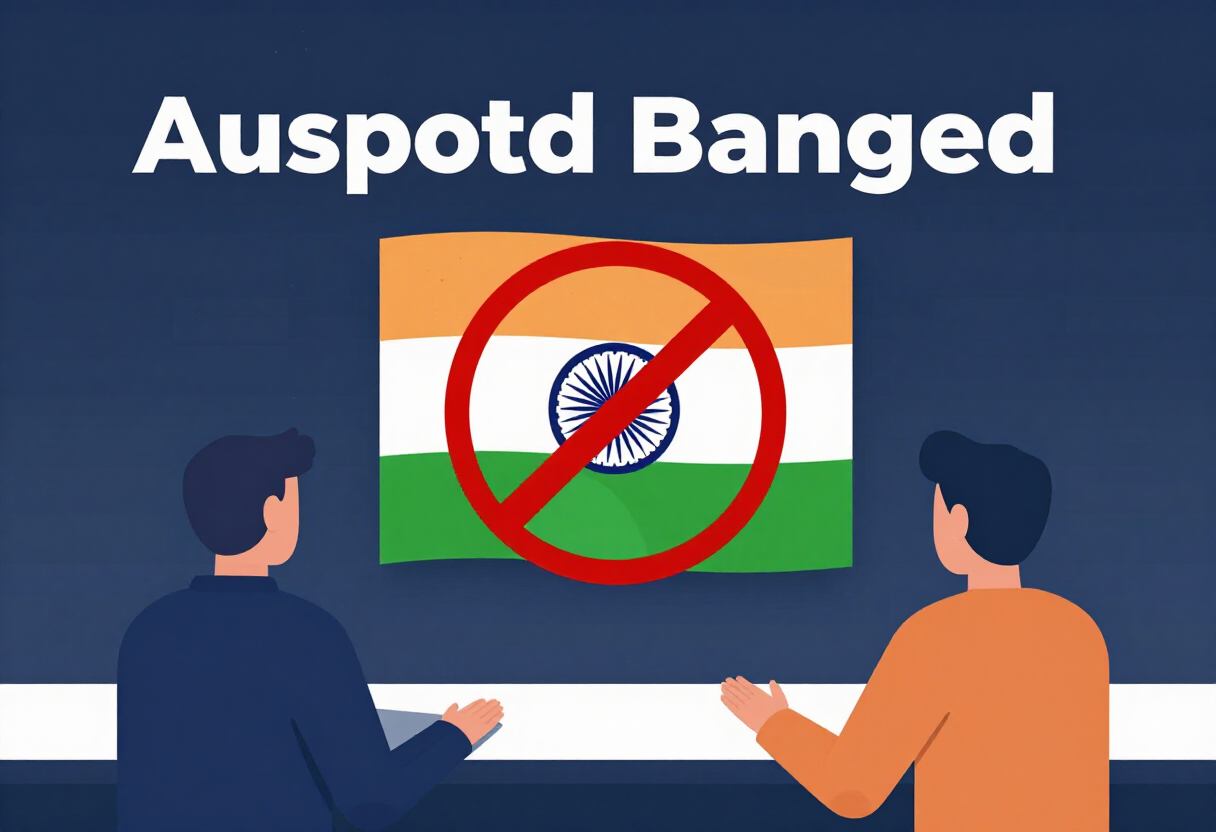
FBR foiled an attempt to import Indian-origin textile machinery, banned under Pakistan's import policy
The interception was reported by TaxationPk; no importer, port or consignment value was disclosed
Importers face seizure, penalties and misdeclaration proceedings for banned-origin capital goods
Pakistan's Federal Board of Revenue (FBR) has blocked an attempt to import textile machinery of Indian origin, a category that remains on the country's negative list for imports from India.
The interception, reported by TaxationPk, puts a spotlight on a persistent compliance issue for Pakistan's textile sector: machinery sourcing routes that route Indian-origin capital goods through third countries or misdeclared consignments to evade the import ban. Pakistan maintains restrictions on Indian-origin goods under its import policy, and customs authorities treat any consignment traced to Indian manufacture as prohibited regardless of the shipping origin declared on paperwork.
For Pakistan's spinning, weaving and processing units — the tier of the supply chain most dependent on imported machinery — the case is a reminder that capital-equipment procurement must clear origin verification, not just tariff classification. Textile machinery sits at the heart of the country's export capacity; Pakistan's mills have long relied on imported machinery from Europe, China and Japan, and Indian-origin equipment is excluded from that sourcing mix by policy rather than by commercial preference.
Customs enforcement of origin rules carries direct commercial consequences. Importers caught moving banned-origin goods face seizure of consignments, penalties under the Customs Act, and potential blacklisting. For mills, a seized machinery shipment means delayed capacity upgrades and financing costs on idle letters of credit — a material risk when machinery lead times already run months from order to installation.
The FBR action also signals heightened scrutiny at the documentation layer. Origin determination in these cases typically turns on certificate-of-origin paperwork, manufacturer records and transit routing. Importers filing declarations that obscure the Indian origin of machinery expose themselves to proceedings for misdeclaration, which carries heavier penalties than a simple prohibited-import finding.
The confirmed fact here is the interception itself: FBR foiled a specific import attempt of Indian-origin textile machinery, as reported by TaxationPk. No further details on the importer, the machinery category, the port of entry or the value of the consignment appear in the reporting.
The sourcing decision this forces is straightforward for Pakistan's textile producers and their equipment suppliers. Any capital-goods procurement involving intermediaries in third countries — particularly routes where Indian machinery is re-shipped or re-documented — now carries enforcement risk that buyers must price in. Compliance teams at mills and trading houses should verify manufacturer origin independently of the certificate of origin presented, and confirm that the declared origin matches the physical machinery before shipment. For foreign machinery suppliers selling into Pakistan, the case underlines that Indian-origin content in their supply chains, however documented, can render a consignment inadmissible at Pakistani ports.
via Google News: Textile machinery and sewing automation (Source)
More from James Calloway
Show full bio
Market editor covering industry trends and analytics at Softgoods Report.
94 articles