Textile Mills & FibersTKT-C386
Dhaka seminar puts 15-25% energy savings on the table for wet processors
A 40-minute Dhaka seminar cited 15-25% energy savings from high-efficiency machinery and heat recovery in textile wet processing, but stressed baselines and verification first.
- Cut
- November 15, 2026
- Sew
- 3 min
- Ticket
- TKT-C386
Construction
Industry estimates cited at the seminar: high-efficiency machinery and heat recovery can cut wet-processing energy use by 15-25%.
Session ran 3:00-3:40 PM on November 14 at Textile Innovation Expo 2026, Hall 08, Dhaka.
Khaled Faisal, Executive Director (Textile), NAZ Bangladesh Ltd., delivered the keynote on energy baselines and post-installation verification.
Panel covered low-temperature chemical processing, digital power management and rooftop solar integration.
High-efficiency machinery and heat recovery systems can cut energy use in textile wet processing by 15 to 25 percent. That figure anchored a 40-minute technical seminar at the Textile Innovation Expo 2026 in Dhaka on November 14, where Bangladeshi manufacturers heard a familiar pitch with a harder edge: measure first, buy second.
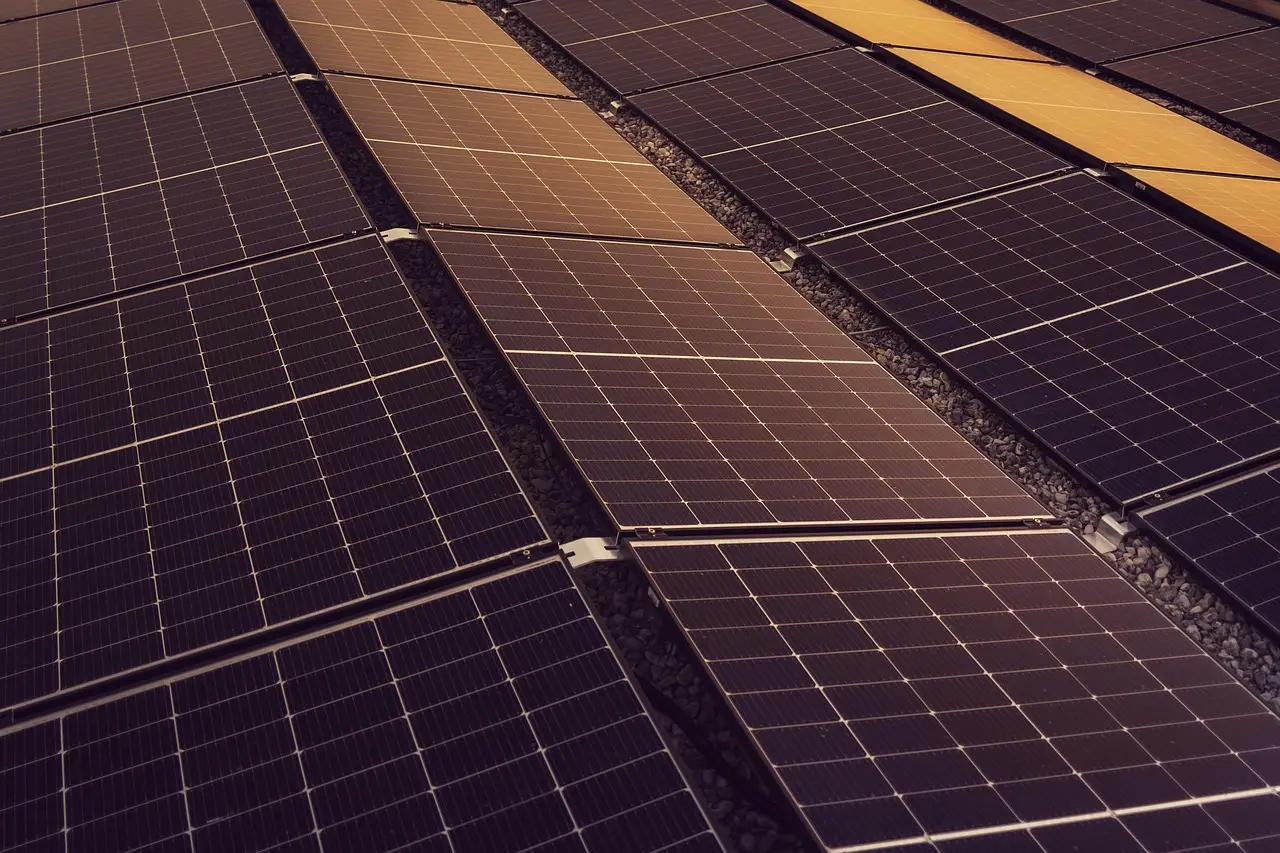
The session, titled "Green Tech & Energy-Efficient Production," ran from 3:00 PM to 3:40 PM in Hall 08 of the Expo Village's Innovation Demonstration Zone. It drew manufacturing leaders, energy specialists and technology providers. Rooftop solar installations are gaining ground across Bangladeshi industrial zones, speakers noted, as factories chase two goals at once: lower grid dependency and compliance with global buyers' decarbonization targets.
What drives the cost pressure?
Energy consumption and utility pricing remain central concerns for Bangladesh's textile and apparel exporters. Experts at the session pointed to the equipment that determines the bill: boilers, motors, compressed-air systems and wet processing machinery. Their performance directly shapes production costs and resource use, and rising energy prices continue to squeeze factory margins.
Against that squeeze, the seminar framed green technology and renewable energy as long-term competitiveness plays rather than compliance overhead. But the speakers did not present the 15-25 percent figure as a promise. They framed it as an industry estimate, contingent on conditions inside each factory.
Who said what?
Khaled Faisal, Executive Director (Textile) at NAZ Bangladesh Ltd., delivered the keynote. He outlined practical strategies for setting energy baselines and evaluating post-installation performance through operational evidence — in effect, a verification protocol before any purchase order is signed.
Mehedi Imran Galib, CEO of Hunan High Sky Chemical Co., Ltd., moderated the panel. Three panelists joined him:
- Rashidul Islam Russel, Managing Director, Aux & Hue Pvt. Limited
- Md. Aminul Islam, Country Manager for the Transfar and Tanatex brands at Transfar Chemical (Bangladesh) Co., Ltd.
- Engr. Naznin Akhter, Director-Business Development, Solaric Group
The panel's substantive ground covered low-temperature chemical processing, digital power management and commercial rooftop solar integration. Its shared message: connecting resource efficiency with production reliability creates measurable business value. That claim was asserted, not demonstrated with named factory cases — a gap buyers should note when weighing similar pitches.
Speakers also stressed that any green investment must clear four tests: actual factory demand, technical compatibility, maintenance capability and expected operating performance. Reliable energy measurement and digital monitoring, they argued, are essential for identifying losses, sequencing improvements and verifying whether a delivered system performs as sold under real factory conditions.
What does this change for sourcing decisions?
For factory owners, the actionable takeaway was procedural. Structured technical assessments, participants said, help owners avoid underperforming investments and secure faster returns on clean technology adoption. The corollary cuts both ways: a system installed without a baseline cannot be proven to save anything.
For buyers and compliance teams, the seminar signals where Bangladeshi supply is heading — heat recovery, rooftop solar and low-temperature chemistry, backed by digital monitoring. Sustainability claims here trace to energy accounting, not to a named certification scheme; none was cited from the podium. Verification remains the buyer's job.
Engr. Md. Enayet Hossain, President of ITET, closed the session by presenting mementos to the speakers.
via textiletoday.com.bd (Source)
More from Tom Whitfield
Show full bio
Staff writer covering companies, deals and strategy in Light industry and softgoods manufacturing at Softgoods Report.
366 articles