Home & Household TextilesTKT-CCEF
Canton Fair Puts Sleep Economy at Centre of Home Textile Innovation
The 139th Canton Fair positions the sleep economy as a driver of home textile innovation, with Chinese suppliers retooling assortments toward sleep-performance bedding lines.
- Cut
- September 30, 2026
- Sew
- 2 min
- Ticket
- TKT-CCEF
Construction
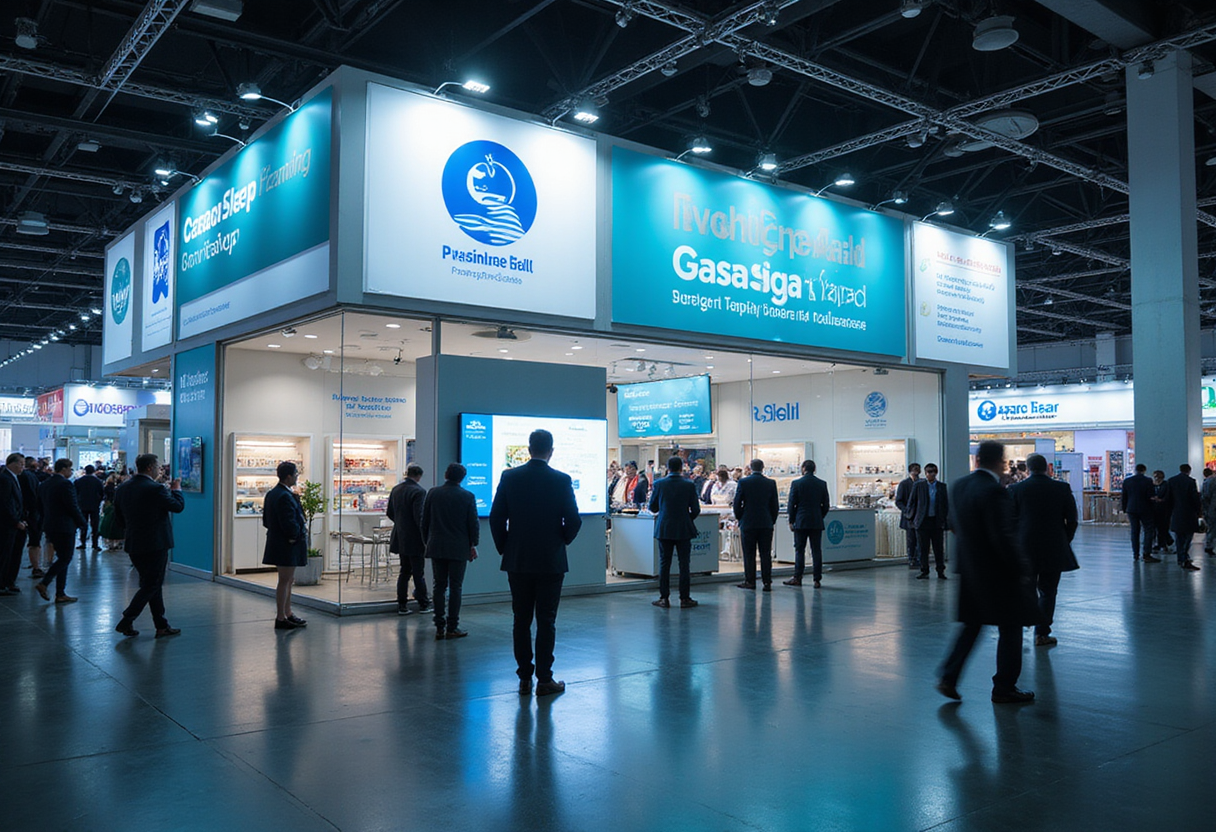
The 139th Canton Fair showcased rising sleep-economy demand as a driver of home textile innovation.
Chinese suppliers are redirecting product development toward sleep-focused bedding and related categories.
Sleep-performance claims require traceability to destination-market standards before order confirmation.
The 139th Canton Fair has placed the so-called sleep economy at the centre of its home textile offering, as Chinese suppliers accelerate product development aimed at consumers spending more on sleep quality.
The Guangzhou-based fair, one of the largest sourcing events on the global trade calendar, used this edition to showcase home textile manufacturers pivoting toward sleep-focused goods — bedding, pillows, mattress textiles and related categories — rather than conventional household linen lines.
The shift reflects a commercial signal travelling up the supply chain. Retail demand for sleep-oriented products has grown into a distinct purchasing category, and Chinese mills and finished-goods factories are retooling their Canton Fair assortments accordingly. Buyers walking the home textile halls this edition encountered innovation pitched explicitly around sleep performance rather than general comfort or design.
For sourcing teams, the relevance is direct. China remains the largest single supplier of home textiles to Western markets, and the Canton Fair functions as the industry's principal barometer of what Chinese factories will offer — and in what volumes — over the coming buying cycles. A visible reallocation of exhibition space and product development budgets toward sleep-economy lines indicates where factory capacity and minimum order structures are likely to concentrate.
The trend also carries compliance implications. Sleep-performance claims — thermoregulation, moisture management, antibacterial finishes, ergonomic support — increasingly sit under labelling and standards scrutiny in the European Union and the United States. Buyers sourcing new sleep-focused textile lines should treat each performance claim as a compliance item, traceable to the relevant test standard or regulation in the destination market before orders are confirmed.
The fair's framing of the sleep economy as an innovation driver rather than a marketing niche suggests the category has moved past the trial phase. Suppliers are investing in materials and construction technologies specifically for sleep applications, signalling a durable product tier rather than a seasonal assortment extension.
Sourcing decision the news forces: buyers in bedding and home textiles should assess whether their Chinese supplier base can deliver sleep-economy product at required volumes and certification levels — and whether their order books for conventional lines will face capacity competition as factories retool around the new category.
via Google News: Home textiles (Source)
More from Tom Whitfield
Show full bio
Staff writer covering consumer brands and retail at Softgoods Report.
88 articles