Apparel Manufacturing & SourcingTKT-1223
Bangladesh wage board agrees garment pay rise after five days of unrest
Bangladesh's garment wage board has agreed a minimum wage rise after five days of protests, with revised salaries due in workers' January pay packets.
- Cut
- November 4, 2026
- Sew
- 3 min
- Ticket
- TKT-1223
Construction
Workers demand a minimum wage of 30,000 taka ($240), a 140% increase on the current 12,500 taka.
The wage board committed to finalising the rise by December, with payment from January.
The sector employs over 4 million workers and earns up to $38 billion, about four-fifths of Bangladesh's exports.
Protests over five days hit Gazipur, Mirpur, Narayanganj and Savar, with factories vandalised.
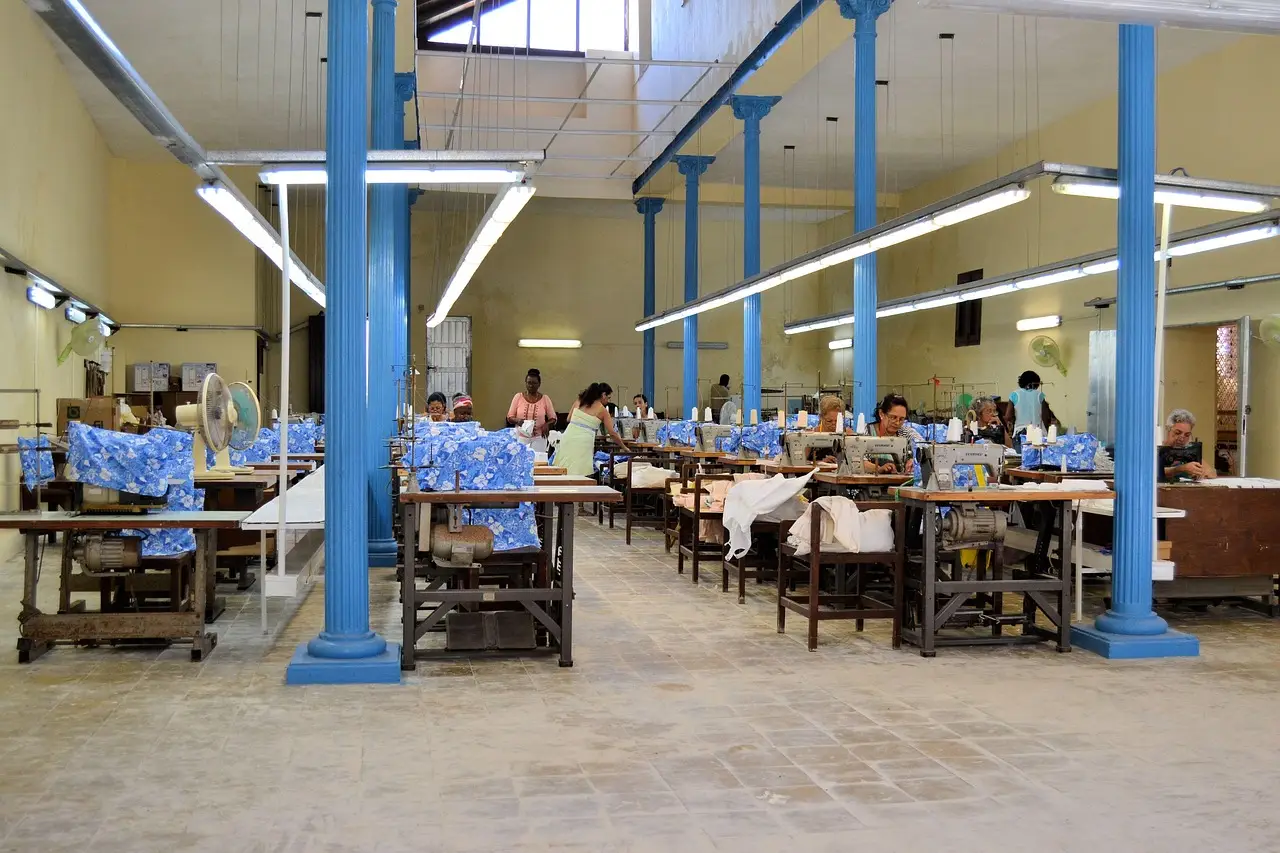
Bangladesh's garment wage board has agreed to raise the sector's minimum wage, capping five days of protests that brought tear gas, barricades and factory vandalism to the country's main industrial belts.
The board — a government-appointed body of employer and worker representatives, formed on Sunday — did not specify the size of the increase. But it committed to a timeline that matters for every buyer with Dhaka-sourced volume: finalisation by December, revised salaries in workers' hands by January.
What did the two sides actually agree?
Not a number, yet. What they agreed on is process and pace.
"The workers have been demanding a wage increase by December so that they can receive their revised salaries in January," said Babul Akter, the workers' representative on the board. "The representative of the factory owners on the wage board agreed, too. We agreed on this point... We are working together."
ABM Shamsuddin, the Bangladesh Garment Manufacturers and Exporters Association (BGMEA) representative, confirmed the commitment: "We will complete our work by December so that workers can receive their increased salaries by January."
That owner-side sign-off on a fixed timetable is the substantive news here. It signals BGMEA won't stall the negotiations into the new year, which has historically been the flashpoint for renewed unrest.
How big is the gap?
Workers are demanding a minimum monthly wage of 30,000 taka (about $240) — a 140 percent increase on the current floor of 12,500 taka. They argue that food, housing, transport and healthcare costs have eroded purchasing power against eight percent national inflation.
Where the board lands between 12,500 and 30,000 taka will directly reshape FOB pricing conversations. A settlement near the workers' figure implies significant cost pass-through on basic knit and woven programmes; a token increase risks a second wave of disruption in the January–February shipping window.
Why the scale matters for sourcing desks
The context needs little reminding. Bangladesh, a nation of 170 million people, is the world's second-largest garment exporter after China. The sector employs more than four million workers and generates around four-fifths of the country's export earnings — worth up to $38 billion. The United States is the largest single market; the European Union is the largest trading bloc.
Workers in these factories cut and sew for brands including Fruit of the Loom, Levi Strauss and VF Corp, whose portfolio spans Vans, Timberland and The North Face. Any January wage uplift will flow into cost sheets at exactly those accounts.
Was the unrest contained?
Not fully. Protests continued through Wednesday morning in Gazipur, Mirpur, Narayanganj and Savar while the board met.
Abdullah Al Mahmud, superintendent of Narayanganj Industrial Police, said protesters had vandalised factories and mobilised workers to join the strike. "We are not going to let them put up any blockades anywhere," he told reporters.
In Gazipur, industrial police superintendent Amjad Hossain described the situation as "tense."
That tension hasn't dissipated — it has been deferred to the boardroom. If December's talks stall, the barricades return.
What should buyers do now?
Treat the December deadline as a hard planning date. Sourcing teams with Bangladesh programmes should model wage scenarios at both a mid-point settlement and the full 30,000-taka demand, pressure-test supplier quotes accordingly, and expect labour-standards auditors to flag any factory delaying payment of the revised wage past January.
The compliance file matters as much as the costing one: a wage floor legislated through the board is a legal minimum, not a voluntary code. Buyers whose codes of conduct reference local law will need to verify their Bangladeshi suppliers are paying it — on time, from the first January payroll.
via Google News: Garment factories (Source)
More from James Calloway
Show full bio
Market editor covering people, launches and day-to-day practice in Light industry and softgoods manufacturing at Softgoods Report.
326 articles