Apparel Manufacturing & SourcingTKT-8F73
Bangladesh stakes $60-65bn on Maheshkhali hub to fix RMG energy and logistics
Bangladesh's $60-65bn Maheshkhali-Matarbari masterplan targets 6,060MW of power, a $10bn refinery and a deep-sea port by 2050, with major implications for RMG exports.
- Cut
- November 10, 2026
- Sew
- 3 min
- Ticket
- TKT-8F73
Construction
Bangladesh targets $60-65 billion in Maheshkhali-Matarbari investment by 2056, with $5 billion in FDI and 150,000 direct jobs.
The plan includes a $10bn refinery processing 150,000-200,000 barrels of crude daily and 6,060MW of power capacity by 2050.
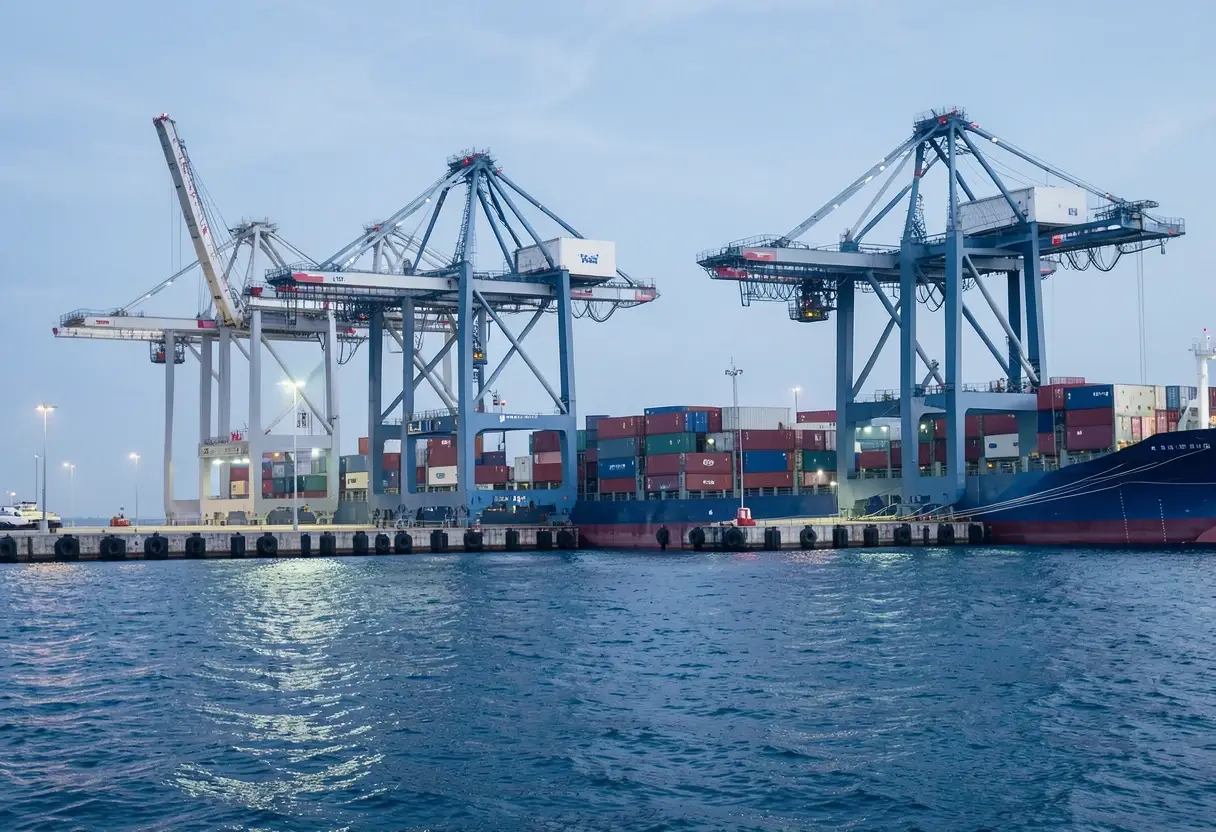
Matarbari port would handle 8,000-TEU vessels at 18.5m draft; the SPM system saves ~$67m (Tk800 crore) annually.
RMG exports hit $38.70 billion in FY2025-26, 80.62% of national export earnings.
Bangladesh graduates from LDC status in November 2029.
Bangladesh plans to pour $60–65 billion into Maheshkhali-Matarbari by 2056, and the ready-made garment sector stands to gain from every layer of the build-out: fuel for spinning and dyeing, petrochemical feedstock for synthetic yarn, and a deep-sea port to cut export lead times.
The Maheshkhali Integrated Development Authority (Mida) masterplan targets at least $5 billion in foreign direct investment, 150,000 direct jobs and 2.5 million indirect jobs, according to official project estimates. The authority projects the initiative will add $150 billion to the economy, cut logistics costs by $4 billion and save $16–18 billion in foreign exchange transactions over 30 years.
The timing matters. Apparel generated $38.70 billion in exports in FY2025-26 — 80.62% of Bangladesh's total export earnings — and the country loses its least developed country trade preferences in November 2029. Energy shortages, costly captive generators and rising production costs still squeeze manufacturers' margins and delivery schedules.
What does the energy build-out include?
The plan lists a $10 billion oil refinery and petrochemical complex, a $2 billion onshore LNG terminal, a third floating storage and regasification unit, and a $150 million LPG plant. The refinery would process 150,000–200,000 barrels of crude daily across roughly 1,200 acres.
For apparel suppliers, the petrochemical output is the key linkage. Domestic feedstocks could anchor backward integration into synthetic yarn, polyester and man-made fibre production — inputs Bangladesh currently imports at premium cost.
Power generation capacity is set to reach 6,060MW by 2050, split between coal-fired and solar generation. Reliable grid supply underpins every wet-processing stage: spinning, knitting, dyeing, washing and garment assembly.
Can coal-heavy power coexist with buyer ESG rules?
Here the plan collides with compliance reality. Buyers in high-value export markets track Scope 2 emissions, and a coal-weighted grid raises the carbon footprint of every garment stitched in the zone.
The masterplan itself acknowledges the gap. Rooftop solar, grid-scale storage, corporate power purchase agreements and industrial energy efficiency programmes will decide whether Bangladeshi output stays acceptable to decarbonising brands, the plan notes.
How much does the port change for exporters?
Matarbari deep-sea port would berth vessels carrying up to 8,000 TEUs at an 18.5-metre draft, easing the draught constraints that currently force transshipment through Singapore and Colombo. The wider scheme adds a 27km port access road, container and multipurpose terminals, logistics facilities and further LNG and LPG terminals.
One figure stands out for cost accountants. The Single Point Mooring system will save around $67 million (Tk800 crore) a year by cutting crude oil unloading time from nine days to three, according to authority projections.
Is the money actually secured?
Not yet. The $60–65 billion figure is an investment ambition, not committed financing. The plan flags land acquisition, complex project financing, fuel supply stability, environmental safeguards, continuous maintenance dredging at the port and modern digital customs clearance as unresolved operational risks.
For sourcing directors, the decision the news forces is sequencing. Maheshkhali will not change 2026 capacity plans, but it strengthens the case for keeping Bangladesh in long-term supplier portfolios beyond LDC graduation — provided suppliers can document a credible energy transition path rather than rely on a coal-heavy grid the plan currently assumes.
via textiletoday.com.bd (Source)
More from Grace Kim
Show full bio
Correspondent covering regulation, policy and their impact on Light industry and softgoods manufacturing at Softgoods Report.
358 articles