Trade & Sourcing PolicyTKT-C808
40+ EU Industry Groups Demand Faster, Tougher Trade Defense
More than 40 European industry associations, including Euratex, have jointly demanded stronger EU trade defense: more DG Trade staff, tougher anti-dumping use and new anti-distortion tools.
- Cut
- October 19, 2026
- Sew
- 4 min
- Ticket
- TKT-C808
Construction
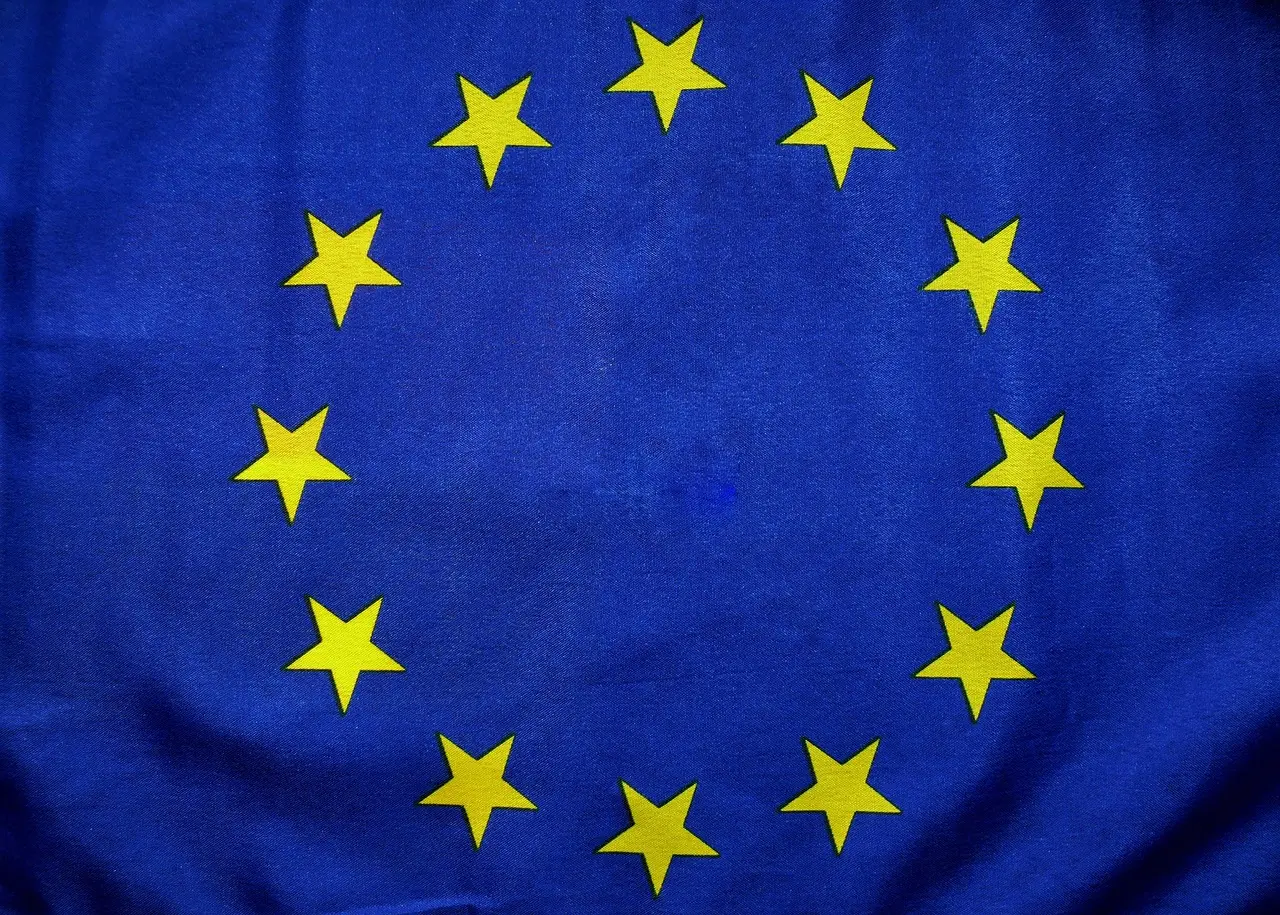
More than 40 European industry associations signed a joint statement urging stronger EU trade defense measures.
The statement calls for added staff at DG Trade to speed up investigations into unfair trade practices.
Euratex has long linked pressure on EU textiles to imports from countries such as China.
The call follows European Commission President Ursula von der Leyen's pledge last month to rebalance fair trade and strengthen strategic autonomy.
The statement urges avoiding negative trade-defense impacts on close partners Norway, Switzerland and the U.K.
More than 40 European industry associations have signed a joint statement calling on EU member states and the European Commission to strengthen trade defense measures — and textiles is front and centre in the push. The signatories span the manufacturing value chain: textiles and clothing, chemicals, metals and automotive suppliers, all demanding action on unfair trade practices, global overcapacity and state-subsidy-driven market distortions.
For apparel and textile sourcing executives, the significance is straightforward. Euratex, the Brussels-based European Apparel and Textile Confederation, signed on because the bloc's largest manufacturing employers see underpriced imports — long linked by the confederation to countries such as China — as an existential pressure on EU production capacity and jobs.
What are the groups asking for?
The statement sets out three priorities. First, more resources for the European Commission's trade enforcement arm. The associations want additional staff and expertise within the Directorate-General for Trade and Economic Security (DG Trade) so that investigations into unfair trade practices move faster.
"Faster procedures would help European companies, particularly SMEs and mid-sized businesses, to access trade defense instruments more effectively," Euratex said in a statement. That's a direct nod to the tier most exposed: smaller EU mills, finishers and garment makers that lack the legal budgets to pursue lengthy anti-dumping cases on their own.
Second, the groups want the EU to use the instruments it already has — anti-dumping measures, anti-subsidy rules and safeguards — more aggressively. They also call for stronger action against circumvention, greater consideration of environmental and social costs in trade cases, and a comprehensive approach that protects entire industrial value chains rather than isolated segments.
Third, they want new tools. Existing policies, the statement argues, may not adequately address the growing complexity of state-driven distortions, including distortions linked to investments in production facilities outside the EU.
"The EU industry is paying the price of broad state-driven distortions from third countries and the increased investments by those countries in production facilities in third-country markets, which have contributed to additional surges in underpriced exports to the EU," the statement said. For anyone tracking sourcing shifts into third-country manufacturing hubs, that framing matters: it targets not just direct exports from subsidised states, but the transplanted capacity they build elsewhere.
How do neighbouring sourcing partners fit in?
The signatories drew one careful boundary. "In light of the closely integrated value chains, it is crucial to avoid negative impacts between the EU and close European partners, such as Norway, Switzerland and the U.K.," the statement noted. "Effective trade defense instruments serve to strengthen European competitiveness, safeguard industrial value chains and support quality jobs."
That carve-out reflects supply-chain reality. European apparel producers source finishing, trims and fabrics across those borders daily, and the groups want enforcement that doesn't snag intra-European flows while targeting underpriced external imports.
What's the political opening?
The statement lands weeks after European Commission President Ursula von der Leyen pledged to rebalance fair trade, cut red tape and strengthen industrial and strategic autonomy. Euratex says the Commission must act immediately on those commitments.
Euratex director general Dirk Vantyghem framed the stakes in systemic terms. "Europe cannot build a strong defense, lead the green and digital transitions, or protect its social model on a weakening industrial base," he said. "Competitiveness is not just one chapter of the European project – it is the foundation all the others are built on; when we get that right, everything else becomes possible."
Euratex also stressed that trade defense is not a textiles-only concern — it cuts across a wide range of EU sectors. The organisation signed the joint statement, it said, because strengthening industrial competitiveness broadly will benefit all European suppliers and manufacturers.
What does this force on sourcing and compliance desks?
"Euratex supports a rules-based trading system that promotes open markets without allowing unfair practices to undermine European manufacturing," the organisation said. "The joint statement sends a clear message: Europe needs stronger, faster and more effective trade defense instruments to preserve its industrial base, protect employment and strengthen long-term economic resilience."
For buyers sourcing into the EU, the calculus is now twofold. Any acceleration at DG Trade raises the odds that current and future sourcing origins face faster anti-dumping and anti-subsidy exposure — worth stress-testing landed-cost assumptions against duty scenarios now. And the call to weigh environmental and social costs in trade cases signals that compliance documentation, traceable to recognised standards, will increasingly function as a defensive asset in European market access.
via Sourcing Journal (Source)
More from Olivia Hart
Show full bio
Senior reporter covering regulation, policy and their impact on Light industry and softgoods manufacturing at Softgoods Report.
309 articles